
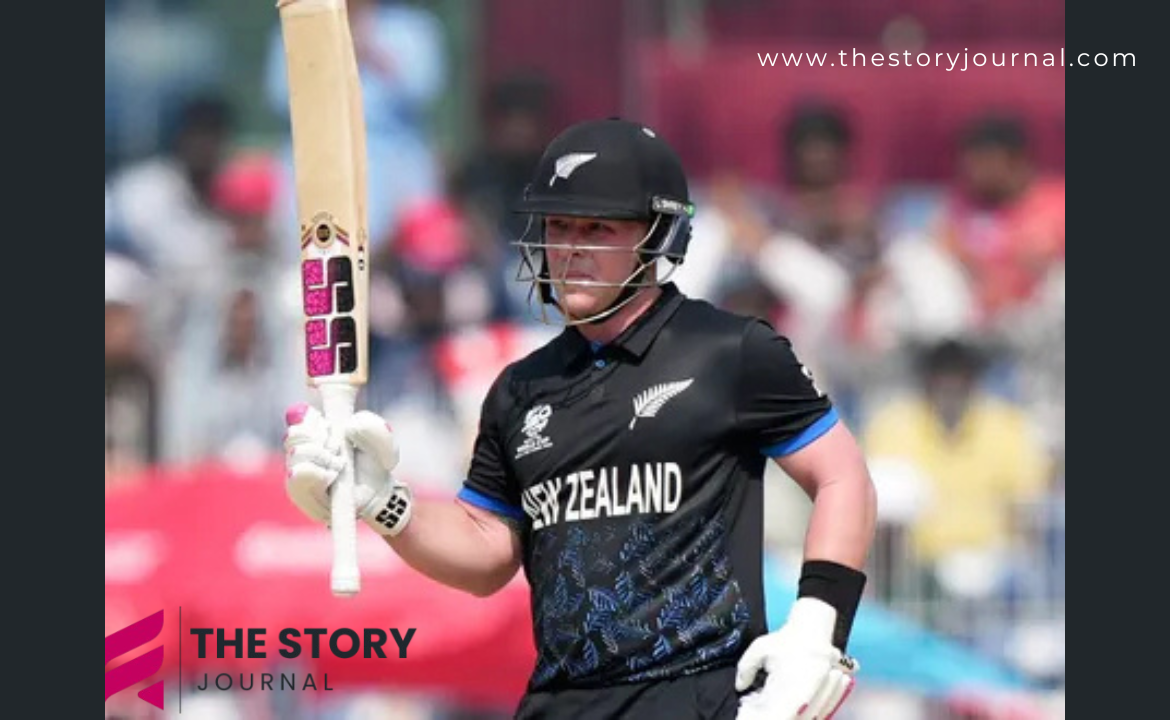
Twitter Reacts as New Zealand Anthem Plays Too Fast in Colombo
Source : Twitter
Cricket is a sport built on intensity, rivalry, and national pride. But sometimes, even at the highest level, unexpected moments create memories that go far beyond runs and wickets. One such unforgettable incident occurred ahead of a crucial T20 World Cup Super 8s clash between the New Zealand national cricket team and the England cricket team in Colombo, when New Zealand’s national anthem was accidentally played at double speed.
What was meant to be a solemn, pride-filled moment turned into a lighthearted spectacle at the R. Premadasa Stadium. Players struggled to keep straight faces, coaches exchanged amused glances, and fans both in the stands and online couldn’t believe what they were witnessing.
The comical anthem mishap quickly went viral on Twitter (X), where clips of the accelerated rendition of “God Defend New Zealand” spread rapidly. Yet once the laughter subsided, the cricket that followed was anything but funny — it was ruthless, focused, and dominant.
This is the story of how a pre-match blunder became a viral moment — and how New Zealand shook off the giggles to produce a commanding start in one of their most important matches of the tournament.
A Moment of Farce Before a High-Stakes Clash
National anthems in international cricket are sacred rituals. Players line up shoulder-to-shoulder, eyes forward, representing their country with pride. The atmosphere at Colombo was electric, with fans aware that this was no ordinary group-stage encounter. It was a decisive Super 8s battle with major semi-final implications.
As the New Zealand players stood ready, the anthem began — but something was immediately off.
The tempo was noticeably faster.
Within seconds, it became clear that the track was playing at nearly double speed. What should have been a dignified performance sounded like a hurried playback glitch. Players tried to maintain composure, but subtle smiles crept in. Cameras caught visible amusement in the opposing camp as well.
Among those grinning were England head coach Brendon McCullum — himself a New Zealand cricket legend — and New Zealand pacer Tim Southee. The irony of McCullum, a former Black Caps captain now coaching England, smiling at the anthem mishap only added to the charm of the moment.
The crowd buzzed. Commentators struggled to stay serious. And social media exploded.
Twitter Reacts: From Confusion to Comedy Gold
Within minutes, Twitter (X) was flooded with reactions. Clips of the anthem circulated widely, with fans joking about “fast-forward patriotism” and “speed-run nationalism.” Memes compared the playback to someone accidentally pressing 2x speed on a streaming app.
Some fans humorously suggested that the anthem was in T20 mode — quick and aggressive.
Others praised the players for maintaining professionalism while clearly fighting back laughter.
Importantly, the mood remained good-natured. There was no outrage, only shared amusement. In a tournament often dominated by pressure and controversy, this unexpected glitch provided a rare unifying laugh.
The incident also underscored the unpredictable charm of live sport. No matter how professional the stage, human errors — even technical ones — can produce moments that transcend competition.
High Stakes in the Super 8s
Beneath the laughter, the match carried serious consequences.
This was a Super 8s clash in the ICC Men’s T20 World Cup, with New Zealand seeking a crucial win to top Group 2. Finishing first would offer a more favorable semi-final path, avoiding tougher matchups in the knockout stage.
The Black Caps were fully aware of the mathematical and psychological significance of the contest. Just days earlier, they had dominated Sri Lanka on the same pitch, winning by 61 runs. That victory gave them momentum — but England posed a far greater challenge.
After the anthem hiccup, the question was whether New Zealand could quickly switch from amusement to intensity.
They answered emphatically.
Toss Won, Statement Made
New Zealand won the toss and chose to bat — a confident decision reflecting both trust in their batting lineup and awareness of pitch conditions at Colombo.
The surface at R. Premadasa Stadium had already shown signs of favoring teams that set totals. Under lights, chasing could become tricky due to subtle grip and variable bounce.
The message was clear: post a strong total, apply scoreboard pressure, and let the bowlers defend.
From the very first over, New Zealand signaled intent.
Explosive Powerplay: 54 Without Loss
In T20 cricket, the powerplay overs often determine the tone of the innings. New Zealand made theirs count.
They raced to 54 without loss in the first six overs, putting England immediately on the back foot.
Leading the charge was Finn Allen, whose fearless strokeplay has become a defining feature of modern Kiwi cricket. Allen launched three towering sixes, attacking England’s pace attack with calculated aggression.
Alongside him, Tim Seifert provided explosive support. Seifert’s crisp drives and inventive shot-making ensured that there was no respite for England’s bowlers.
The opening partnership was more than just rapid scoring — it was a psychological counterpunch after the anthem distraction.
England’s Bowling Under Pressure
England’s attack, featuring express pacer Jofra Archer, was expected to test New Zealand early.
Archer, known for his pace and accuracy, attempted to disrupt the flow with short deliveries and hard lengths. However, the Kiwi openers anticipated the challenge well.
Allen, in particular, targeted width and punished anything marginally overpitched. His three sixes were clean strikes — not reckless swings but controlled power-hitting.
England’s bowlers struggled to find rhythm during the powerplay. Field placements were adjusted frequently, and the pressure mounted as boundaries continued to flow.
Shaking Off the Giggles
What stood out most was New Zealand’s composure.
After the anthem incident, it would have been easy to lose focus. Big matches often hinge on small mental lapses. Instead, the Black Caps compartmentalized the moment perfectly.
The laughter before the match seemed to dissolve into steely concentration once play began.
Cricket fans often describe New Zealand as one of the most mentally resilient teams in international cricket. Their ability to remain calm, disciplined, and team-oriented was on full display.
From anthem mishap to powerplay dominance — the transition was seamless.
The Pitch Factor: Familiar Territory
Another key factor was familiarity.
This was the same pitch where New Zealand had defeated Sri Lanka by 61 runs just days earlier. The team’s analysts and coaching staff had studied its behavior closely.
They understood that early runs were vital before the surface slowed slightly.
By accelerating to 54 without loss, New Zealand maximized the most favorable phase of the innings.
The Importance of Finishing Top of Group 2
In tournament play, net run rate and group position can define a campaign.
By winning this match, New Zealand would top Group 2, earning a theoretically smoother semi-final route. Avoiding the strongest opponent in the next round can significantly increase a team’s title chances.
The Black Caps were not just playing for victory — they were playing for strategic advantage.
Every boundary in the powerplay, every disciplined over with the ball later, would contribute to that larger goal.
A Tale of Two Emotions
The match will likely be remembered for two distinct emotions.
First, laughter.
The double-speed anthem created one of the most bizarre and endearing pre-match moments in recent World Cup history. It reminded everyone — players and fans alike — that sport is ultimately human.
Second, intensity.
Once the first ball was bowled, the tone shifted completely. New Zealand’s aggressive start sent a message that they were serious contenders.
The contrast between comedy and competition made the day uniquely memorable.
Brendon McCullum’s Unique Perspective
An added layer of intrigue came from Brendon McCullum’s presence in the England camp.
A former New Zealand captain and one of the architects of the team’s modern aggressive mindset, McCullum has since transitioned into coaching England.
Seeing him smile during the anthem mishap — against his former team — added a poetic touch.
It was a reminder of cricket’s interconnected world, where rivalries coexist with respect and shared history.
Social Media’s Role in Modern Cricket
The rapid spread of the anthem clip on Twitter highlighted how deeply integrated social media has become in live sports.
Moments that once would have been fleeting are now immortalized in high-definition clips, analyzed and memed within minutes.
For younger fans especially, these viral moments can be as memorable as match-winning performances.
In this case, the anthem blunder became part of the match’s narrative — a prelude to the action.
Professionalism Amid Humor
What impressed many observers was the professionalism shown by both teams.
There were no visible complaints or confrontations. The players allowed the anthem to finish, shared brief smiles, and moved on.
In high-pressure tournaments, such composure speaks volumes about team culture.
New Zealand, in particular, has built a reputation for sportsmanship and humility. The way they handled the incident reinforced that image.
Beyond the Blunder: A Statement of Intent
While the anthem moment will live on in highlight reels and social media threads, the cricket itself carried greater significance.
New Zealand’s powerplay blitz laid the foundation for what could be a decisive victory in their campaign.
Their ability to reset mentally and dominate early demonstrated why they are consistently competitive in ICC tournaments.
For England, the early onslaught meant immediate adjustments were necessary — both tactically and emotionally.
The Bigger Picture
Sport thrives on unpredictability.
From technical glitches to breathtaking sixes, every match contains layers of narrative. In Colombo, fans witnessed both the absurd and the elite within the span of a few hours.
The double-speed anthem will likely be replayed for years as one of the tournament’s lighthearted highlights.
But beneath the laughter was a team on a mission.
New Zealand’s strong start against England underscored their ambition to top Group 2 and carve a smoother path to the semi-finals.
Final Thoughts
The T20 World Cup Super 8s clash at R. Premadasa Stadium will be remembered not just for boundaries and bowling spells, but for a uniquely human moment.
A technical mishap turned a solemn anthem into a comedic interlude. Players smiled. Coaches chuckled. Fans laughed. Twitter erupted.
Then, as professionals do, the cricketers got to work.
New Zealand’s explosive powerplay — 54 without loss — showcased focus, intent, and championship hunger. Finn Allen’s towering sixes and Tim Seifert’s aggressive strokeplay shifted the spotlight from glitch to dominance.
In the end, this match encapsulated why cricket captivates millions.
It can make you laugh.
It can make you cheer.
And sometimes, in the space of a single anthem played too fast, it can remind you that even the biggest stages are still gloriously human.