
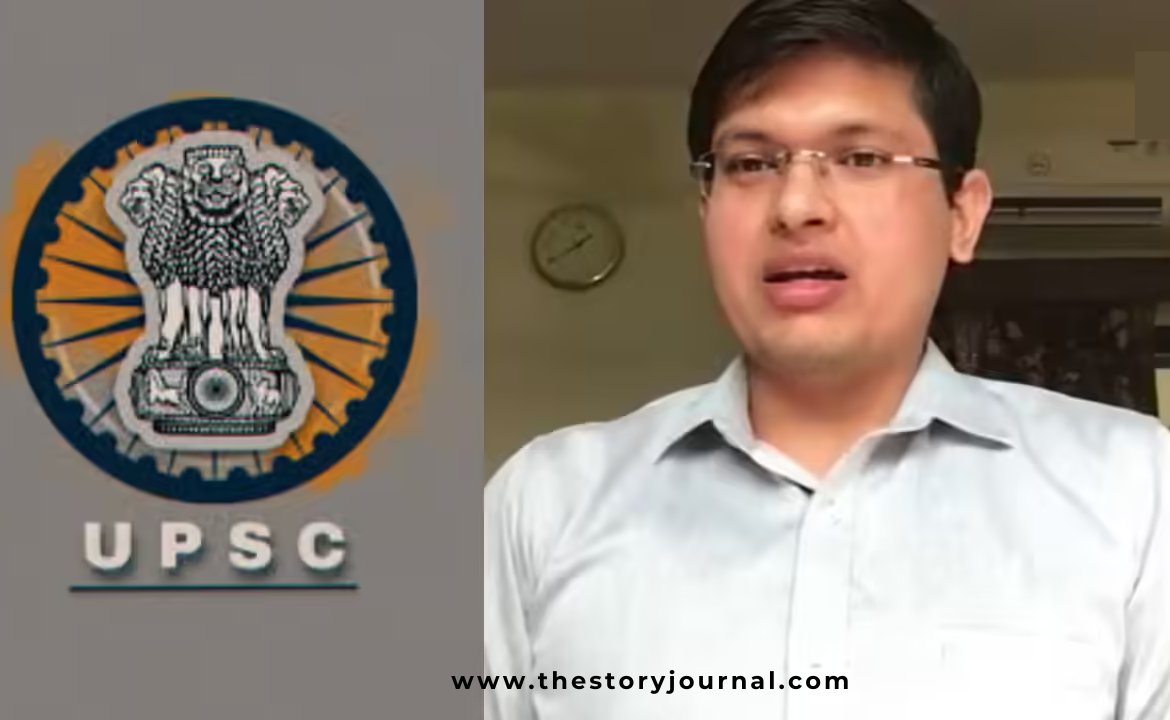
Topper Anuj Agnihotri and the Debate Over Celebration Culture
Source : Twitter
Introduction
The announcement of the Union Public Service Commission (UPSC) Civil Services Examination results is one of the most anticipated events in India every year. The exam, widely regarded as one of the toughest competitive examinations in the country, determines the future of hundreds of candidates who aspire to join the nation’s most prestigious administrative services. This year’s results created excitement across the country as Anuj Agnihotri topped UPSC Civil Services 2025, securing All India Rank (AIR) 1. Alongside him, Rajeshwari Suve M secured AIR 2, and Akansh Dhull claimed AIR 3. The Union Public Service Commission announced the CSE 2025 results on March 6, 2026, selecting 958 candidates for IAS, IPS, and IFS. However, beyond the celebration of success, the results also sparked an unexpected public debate. While videos of joyful celebrations spread rapidly across social media platforms like Twitter, several retired officers raised concerns about the growing trend of hero-worship around UPSC toppers and the pressure it places on millions of aspirants who do not succeed.
UPSC Civil Services Examination: A Dream for Millions
The UPSC Civil Services Examination is considered the gateway to India’s top administrative roles. Every year, lakhs of candidates apply, hoping to secure a place in elite services like the IAS, IPS, or IFS. The examination process is intense and consists of three stages: Preliminary Examination, Main Examination, and the Personality Test (Interview). Only a small fraction of candidates make it through each stage. For the 2025 cycle, over 13 lakh aspirants registered for the examination, making the competition extraordinarily fierce. Out of this massive pool of candidates, only 958 were finally selected, highlighting the extremely selective nature of the exam. For successful candidates, clearing UPSC is often the result of years of dedication, discipline, and perseverance.
Anuj Agnihotri Secures AIR 1
At the top of the list stands Anuj Agnihotri, who achieved All India Rank 1 in the UPSC Civil Services Examination 2025. His achievement has drawn widespread attention across the country. Aspiring civil servants and coaching institutes alike have begun analyzing his preparation strategy, educational background, and interview performance. Although every topper’s journey is unique, certain common themes often emerge: long study hours, strong conceptual understanding, effective time management, and unwavering determination. Agnihotri’s success story has inspired thousands of UPSC aspirants who view his achievement as proof that dedication and consistent effort can eventually lead to success in one of India’s toughest examinations. Social media platforms, including Twitter, quickly filled with congratulatory messages celebrating his remarkable accomplishment.
Rajeshwari Suve M and Akansh Dhull Follow Close Behind
While Anuj Agnihotri secured the top spot, two other candidates also earned widespread recognition for their exceptional performance. Rajeshwari Suve M secured AIR 2, demonstrating remarkable academic excellence and determination. Her success adds to the growing number of women who continue to perform strongly in the civil services examination. Over the years, female candidates have increasingly excelled in UPSC, challenging traditional perceptions and inspiring future generations of women to pursue careers in public administration. Akansh Dhull secured AIR 3, completing the list of top three candidates in the 2025 examination cycle. Like many successful candidates, Dhull’s journey involved years of rigorous preparation and resilience.
A Brief Confusion Over Rank 301
Despite the celebratory atmosphere, the announcement of results was briefly overshadowed by a small controversy. There was a mix-up involving rank 301 where two candidates named Akanksha Singh appeared to be associated with the same rank. This led to confusion among aspirants and observers who were trying to understand which candidate had secured the position. The Union Public Service Commission later clarified the situation, confirming that the rank belonged to the candidate from Ghazipur, Uttar Pradesh. Such incidents are rare but highlight the intense scrutiny surrounding UPSC results. Given the importance of the examination and the national attention it receives, even minor discrepancies can quickly become major talking points.
Social Media Celebrations
In today’s digital era, UPSC results are no longer confined to official notifications and newspaper headlines. Social media platforms have become a major space where aspirants, educators, and the public engage with the results. This year was no different. Videos of celebrations, congratulatory posts, and motivational messages spread rapidly across Twitter and other platforms. Coaching institutes proudly shared the achievements of their students, while families of successful candidates posted emotional moments of joy and relief. For many aspirants, these celebrations represent the culmination of years of struggle and sacrifice.
Debate Over Hero-Worship
However, not everyone viewed the celebrations in the same light. Some retired civil servants expressed concern about what they described as excessive glorification of UPSC toppers. Among those who spoke out were retired officers like Maj Gen Raju Chauhan and Hermanprit Singh, who criticized the growing trend of hero-worship surrounding successful candidates. According to them, the celebrations captured in viral videos sometimes appear excessive and even vulgar. Their criticism sparked a wider debate on social media and among the UPSC aspirant community.
Pressure on Millions of Aspirants
One of the central concerns raised by critics is the psychological impact that intense public celebration can have on other aspirants. As noted by retired officers, over 13 lakh aspirants compete for a few hundred positions, meaning that the vast majority of candidates do not succeed. For those who have spent years preparing for the exam, seeing large-scale celebrations for toppers can sometimes amplify feelings of disappointment or failure. Critics argue that the narrative surrounding UPSC success should remain balanced and avoid creating unrealistic expectations.
The Culture of UPSC Preparation
The debate surrounding celebrations also reflects the broader culture that has developed around UPSC preparation in India. Cities like Delhi’s Mukherjee Nagar, Hyderabad, and Prayagraj have become major hubs for civil services coaching. Thousands of aspirants relocate to these cities each year, dedicating themselves entirely to preparation. Many candidates spend several years attempting the examination, often balancing financial constraints, emotional stress, and academic pressure. The intense competition has led to a thriving ecosystem of coaching institutes, online learning platforms, and motivational content creators.
Learning From Success Stories
Despite the ongoing debate, there is no doubt that success stories like that of Anuj Agnihotri serve as powerful sources of inspiration. Every year, thousands of aspirants look to toppers for guidance on how to approach the examination. Common lessons often include building strong conceptual understanding, consistent revision, effective time management, maintaining mental resilience, and practicing answer writing regularly. These insights can help aspirants refine their preparation strategies and improve their chances of success.
The Role of Social Media in UPSC Culture
Platforms like Twitter have significantly changed how UPSC results are discussed and perceived. In the past, information about toppers would mainly appear in newspapers or television interviews. Today, news spreads instantly across social media platforms. This rapid flow of information has both positive and negative aspects. On the positive side, aspirants can access valuable guidance and preparation tips directly from successful candidates. On the other hand, constant exposure to success stories and celebration videos can create unrealistic comparisons.
Balancing Celebration and Sensitivity
The debate triggered by the UPSC CSE 2025 results highlights an important question: how should society celebrate success while remaining mindful of the broader context? Celebrating the achievements of candidates like Anuj Agnihotri, Rajeshwari Suve M, and Akansh Dhull is both natural and deserved. Their success represents years of dedication and perseverance. However, it is equally important to acknowledge the efforts of the millions of aspirants who participate in the examination process.
Conclusion
The UPSC Civil Services Examination 2025 results, announced on March 6, 2026, have once again captured national attention. With Anuj Agnihotri securing AIR 1, followed by Rajeshwari Suve M at AIR 2 and Akansh Dhull at AIR 3, the results highlight the extraordinary talent and determination present among India’s aspiring civil servants. The selection of 958 candidates for IAS, IPS, and IFS represents the culmination of years of effort and dedication. At the same time, the brief confusion over rank 301 involving two Akanksha Singhs and the debate over celebration culture have added new dimensions to the conversation surrounding the examination. As discussions continue on platforms like Twitter, the UPSC CSE 2025 results serve as a reminder of both the power of individual achievement and the complexities of India’s competitive examination culture.