
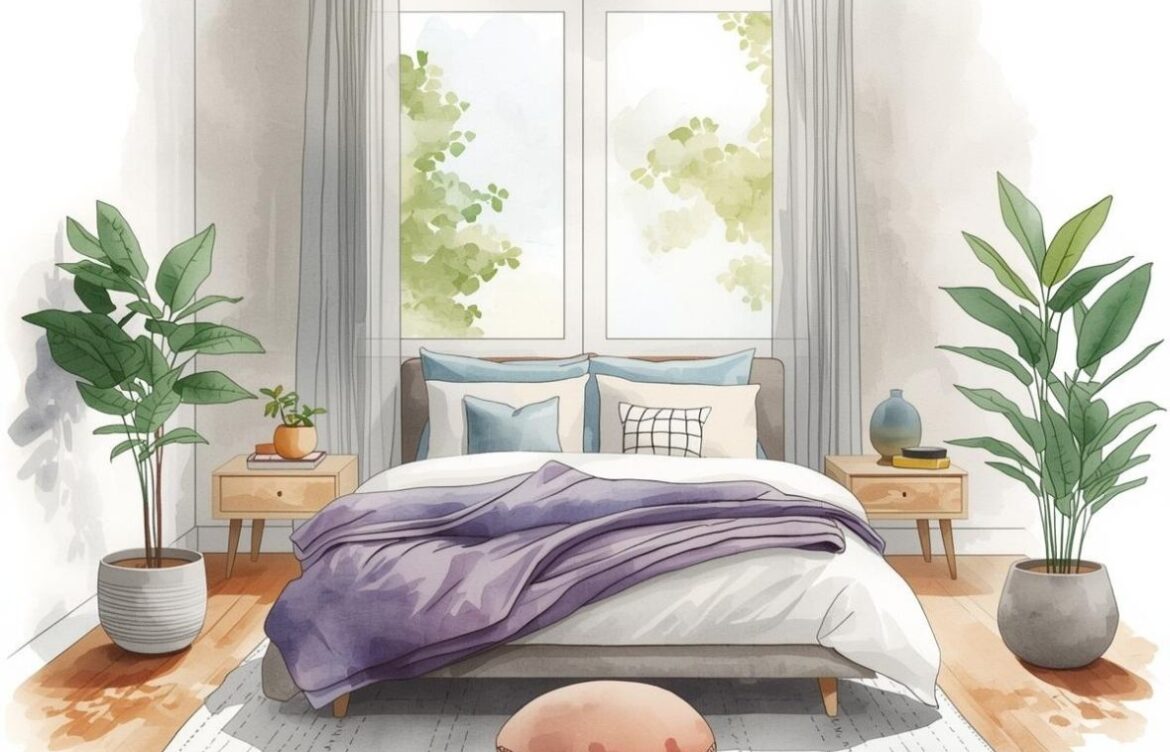
Minimalist Lifestyle Ideas for a Clutter Free Home
A clutter free home is not about empty rooms or strict rules. It is about creating a living space that feels calm, functional, and easy to maintain. In 2025, the minimalist lifestyle is less about aesthetics and more about intentional living, where every item in the home has a purpose. Minimalism helps reduce stress, save time, and improve daily routines by removing excess and focusing on what truly matters. This article shares practical minimalist lifestyle ideas for a clutter free home that work in real life and are easy to sustain long term.
Understanding Modern Minimalism
Minimalism is not about owning the least number of things. It is about owning the right things.
A minimalist home:
- Supports daily activities
- Reduces visual and mental overload
- Is easy to clean and organize
- Reflects personal values
The goal is comfort and clarity, not deprivation.
Start With a Mindset Shift
Clutter often begins with habits, not space.
Before decluttering, shift how you think about belongings:
Tips for mindset shift:
- Buy with intention, not impulse
- Keep items that serve a purpose or bring value
- Let go of guilt tied to unused items
A clear mindset makes decluttering easier and more lasting.
Declutter One Small Area at a Time
Trying to declutter the entire home at once can feel overwhelming.
How to start:
- Start with one drawer, shelf, or corner
- Complete it fully before moving on
- Build momentum gradually
Small wins create motivation and prevent burnout.
Follow the “Keep, Donate, Remove” Method
Decision fatigue is a major cause of clutter.
Simple categories:
- Keep: Items you use or value regularly
- Donate: Items in good condition but unused
- Remove: Broken or unnecessary items
Clear categories speed up the decluttering process.
Reduce Visible Surfaces First
Clutter on visible surfaces creates instant mental stress.
Areas to focus on:
- Kitchen counters
- Tables
- Bedside areas
- Open shelves
Clear surfaces make rooms feel larger and calmer immediately.
Create Designated Storage for Essentials
Clutter often appears when items lack a proper home.
Assign storage for:
- Keys and daily accessories
- Documents
- Electronics and chargers
- Cleaning supplies
When everything has a place, tidying becomes effortless.
Use the One In, One Out Rule
To prevent clutter from returning, adopt the one in, one out habit.
How it works:
Every time you bring something new into your home, remove one similar item. This keeps possessions balanced and intentional.
Choose Quality Over Quantity
Minimalist homes prioritize fewer, better items.
Applies to:
- Furniture
- Clothing
- Kitchen tools
- Decorative items
High quality items last longer and reduce the need for replacements.
Simplify Furniture and Layout
Too much furniture restricts movement and creates visual clutter.
Minimalist layout ideas:
- Keep only functional furniture
- Leave open space for easy movement
- Avoid oversized pieces
Open layouts feel lighter and more inviting.
Declutter Daily Use Items Regularly
Clutter builds fastest in areas used daily.
Areas to review:
- Kitchen drawers
- Wardrobes
- Bathroom storage
- Workspaces
Removing unused items keeps clutter from piling up.
Embrace Neutral and Calm Color Palettes
Color plays a role in how clutter feels.
Benefits of neutral tones:
- Create visual calm
- Make spaces feel larger
- Reduce sensory overload
Minimalism focuses on harmony rather than excess decoration.
Limit Decorative Items Intentionally
Decor should enhance a space, not overwhelm it.
Guidelines:
- A few meaningful pieces
- Functional decor like plants or lamps
- Items with emotional value
Less decor allows each piece to stand out.
Keep Digital Clutter Under Control
Minimalism extends beyond physical spaces.
Examples of digital clutter:
- Unused apps
- Overflowing emails
- Disorganized files
Regular digital cleanup improves focus and reduces stress.
Create Simple Daily Reset Habits
Clutter free homes are maintained through habits, not occasional cleaning.
Daily reset habits:
- Clearing surfaces at night
- Returning items to their place
- Spending 5 to 10 minutes tidying
Small daily actions prevent clutter buildup.
Avoid Emotional Attachment to Unused Items
Many items are kept due to guilt or “just in case” thinking.
Questions to ask:
- Have I used this in the last year?
- Would I buy this again today?
Letting go creates physical and mental space.
Make Minimalism Family Friendly
Minimalism works best when everyone participates.
Simple ways include:
- Shared storage rules
- Clear boundaries for common areas
- Teaching children basic organization habits
Minimalism supports harmony, not restriction.
Benefits of a Clutter Free Home
A minimalist home offers more than visual appeal.
Long-term benefits include:
- Reduced stress
- Faster cleaning
- Improved focus
- Better use of space
- A calmer daily routine
Clutter free spaces support mental well-being.
Minimalism Is a Lifestyle, Not a One-Time Task
Clutter returns if habits stay the same.
How to maintain minimalism:
- Conscious consumption
- Regular decluttering
- Simple routines
Progress matters more than perfection.
Final Thoughts
Minimalist lifestyle ideas for a clutter free home focus on intention, simplicity, and sustainability. By reducing excess, organizing essentials, and building small daily habits, your home becomes a space that supports peace rather than stress. In 2025, minimalism is not about owning less for the sake of it. It is about creating a home that feels lighter, calmer, and easier to live in every single day.