
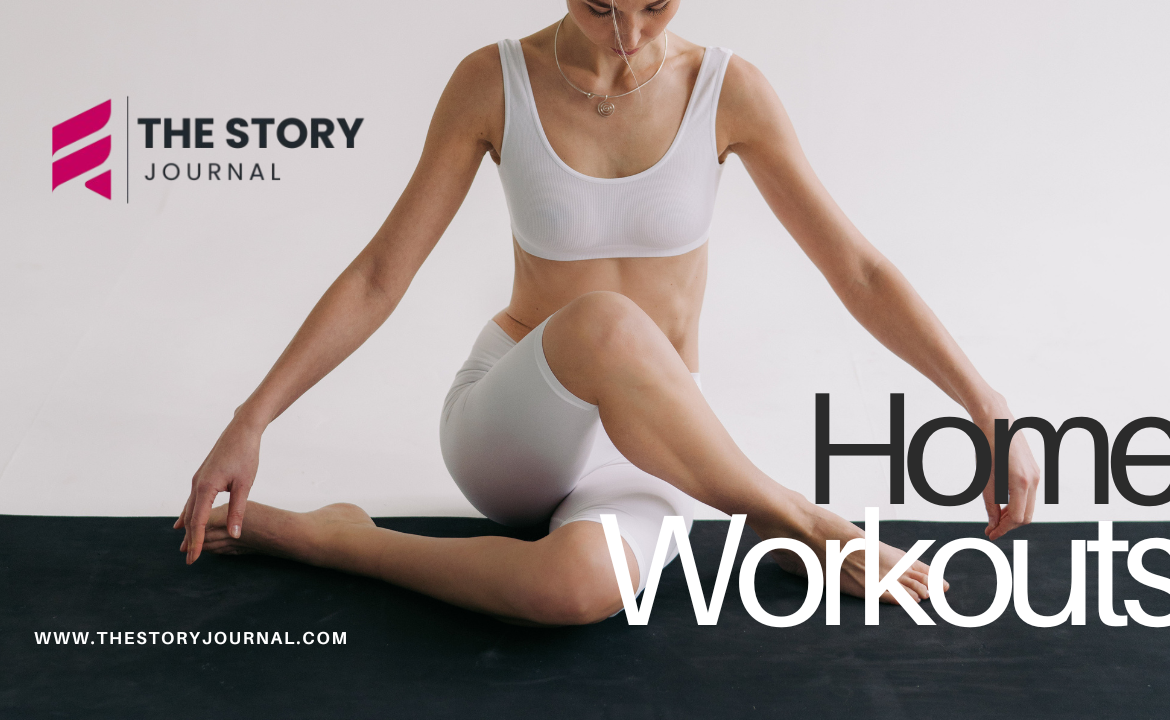
Home Workouts: Staying Fit Without a Gym
In today’s fast-paced world, fitness often takes a backseat to work deadlines, family responsibilities, and endless digital distractions. Many people believe that staying fit requires an expensive gym membership, fancy machines, or personal trainers. The truth is far simpler — and far more empowering. Home workouts are one of the most effective, flexible, and sustainable ways to stay fit without a gym.
Whether you’re a beginner starting your fitness journey, a busy professional short on time, or someone who simply prefers exercising in privacy, home workouts can deliver impressive results. With the right mindset, structure, and consistency, you can build strength, improve endurance, burn fat, and enhance overall health — all from the comfort of your living room.
This blog explores home workouts: staying fit without a gym, covering the benefits, workout types, routines, equipment alternatives, motivation strategies, and long-term success tips.
Why Home Workouts Are More Popular Than Ever
The fitness landscape has changed dramatically over the past decade. While gyms remain popular, more people are discovering that working out at home offers unmatched convenience and accessibility.
Convenience and Time Efficiency
One of the biggest advantages of home workouts is time savings. There’s no commute, no waiting for machines, and no rigid class schedules. You can exercise whenever it fits your day — early morning, during lunch breaks, or late at night. Even a 20–30 minute workout at home can be highly effective when done consistently.
Cost Savings
Gym memberships, personal training sessions, and travel expenses add up quickly. Home workouts eliminate these costs. Many exercises require no equipment at all, and countless free workout videos and programs are available online.
Privacy and Comfort
For many people, gyms can feel intimidating. Exercising at home removes social pressure and allows you to focus entirely on your progress. You can move at your own pace, wear what you like, and repeat workouts without feeling self-conscious.
Flexibility and Customization
Home workouts allow you to tailor routines specifically to your goals — weight loss, muscle building, flexibility, or general health. You’re not limited by gym layouts or class structures.
Can You Really Get Fit Without a Gym?
Absolutely. Fitness is not about location — it’s about movement, consistency, and progression. Your body doesn’t know whether you’re lifting dumbbells at a gym or doing push-ups in your bedroom. What matters is resistance, effort, and recovery.
Key fitness components that can all be trained at home include strength, cardiovascular endurance, mobility, balance, and flexibility. With the right approach, home workouts can be just as effective as gym training.
Types of Home Workouts
One of the best parts about home workouts is variety. You can mix and match different training styles to keep things exciting and well-rounded.
Bodyweight Training
Bodyweight exercises use your own body as resistance. They are incredibly effective and beginner-friendly. Common exercises include push-ups, squats, lunges, planks, burpees, and mountain climbers.
Cardio Workouts at Home
You don’t need a treadmill to get your heart rate up. Effective home cardio options include jumping jacks, high knees, shadow boxing, stair climbing, skipping rope, and dance workouts. High-intensity interval training (HIIT) is especially popular because it delivers strong results in minimal time.
Strength Training Without Weights
Even without dumbbells or barbells, you can build muscle at home using slow repetitions, paused movements, single-leg exercises, and increased training volume. Household items like backpacks or water bottles can add resistance if needed.
Flexibility and Mobility Workouts
Flexibility is essential for injury prevention and long-term fitness. Yoga, Pilates, stretching routines, and mobility flows can all be done easily at home. Just 10–15 minutes a day can make a noticeable difference.
Sample Home Workout Routines
A beginner full-body home workout might include squats, push-ups, glute bridges, planks, and light cardio such as marching in place. An intermediate HIIT workout could combine jump squats, mountain climbers, lunges, and push-ups performed in timed intervals. Strength-focused routines may use single-leg movements and advanced bodyweight exercises to increase intensity.
Minimal Equipment That Enhances Home Workouts
Although equipment isn’t necessary, a few affordable tools can expand your options. Resistance bands, yoga mats, adjustable dumbbells, kettlebells, and jump ropes take up little space and add variety to training.
Staying Motivated With Home Workouts
Motivation is often the biggest challenge when working out at home. Creating a dedicated workout space, setting realistic goals, following a structured plan, and tracking progress can all help maintain consistency. Choosing workouts you enjoy makes it much easier to stay committed.
Nutrition and Recovery for Home Fitness Success
Exercise alone isn’t enough. Balanced meals with adequate protein, proper hydration, and sufficient sleep are essential. Recovery days, stretching, and listening to your body help prevent burnout and injuries.
Common Myths About Home Workouts
Many people believe you can’t build muscle at home or that home workouts aren’t serious training. These myths are false. Progressive overload, consistency, and proper programming matter far more than location or equipment.
Home Workouts for Different Lifestyles
Home workouts suit busy professionals, parents, beginners, older adults, and anyone who values flexibility. They adapt easily to individual schedules and physical needs.
The Long-Term Benefits of Home Workouts
When practiced consistently, home workouts improve physical health, boost mental well-being, increase energy levels, reduce stress, and support long-term fitness habits.
Final Thoughts
Home Workouts: Staying Fit Without a Gym is more than a fitness option — it’s a lifestyle choice. You don’t need a membership, expensive equipment, or perfect conditions. You just need commitment and consistency.
Your home can be your gym, your reset space, and your foundation for a healthier life. Start where you are, use what you have, and keep moving forward.