
Children’s Eye Tests: Why Early Vision Care Matters for Every Child
When it comes to a child’s health, vision is often overlooked—yet it plays a crucial role in learning, development, and everyday life. Childrens eye tests and children’s vision testing are essential tools for ensuring that young eyes develop properly and function at their best. Many vision problems begin early in life, but with timely detection and care, most issues can be managed effectively.
Why Children’s Eye Tests Are Important
Vision is closely tied to how children learn and interact with the world. In fact, experts estimate that up to 80% of learning in early childhood is visual. If a child has an undiagnosed vision problem, it can affect reading and writing skills, attention span, hand-eye coordination, and confidence and social interaction.
Regular childrens eye tests help identify issues early before they impact academic performance or daily activities. Many children don’t realize they have vision problems because they assume everyone sees the same way they do.
Common Vision Problems in Children
Through proper children’s vision testing, several common issues can be detected, including refractive errors such as nearsightedness (myopia), farsightedness (hyperopia), and astigmatism, which can cause blurred or distorted vision. Another condition is amblyopia, also known as lazy eye, where one eye does not develop proper vision. Early detection through childrens eye tests is critical because treatment is most effective at a young age.
Strabismus, or crossed eyes, is another issue where the eyes do not align properly and can lead to long-term problems if untreated. Some children may also experience eye coordination difficulties, which can affect reading and concentration.
When Should Children Have Their Eyes Tested?
Timing is key when it comes to children’s vision testing. Basic eye health checks should begin in infancy during pediatric visits. A comprehensive eye exam is recommended between ages three and five, followed by another before starting school. School-age children should undergo childrens eye tests every one to two years or as advised by a professional.
Even without visible symptoms, regular testing ensures that hidden issues are detected early.
Signs Your Child May Need an Eye Test
Children often do not complain about vision problems, so parents should watch for signs such as squinting, covering one eye, sitting too close to screens, frequent headaches, eye rubbing, difficulty concentrating, poor academic performance, or tilting the head to see better.
If any of these signs are noticed, scheduling children’s vision testing promptly is important.
What Happens During Children’s Vision Testing?
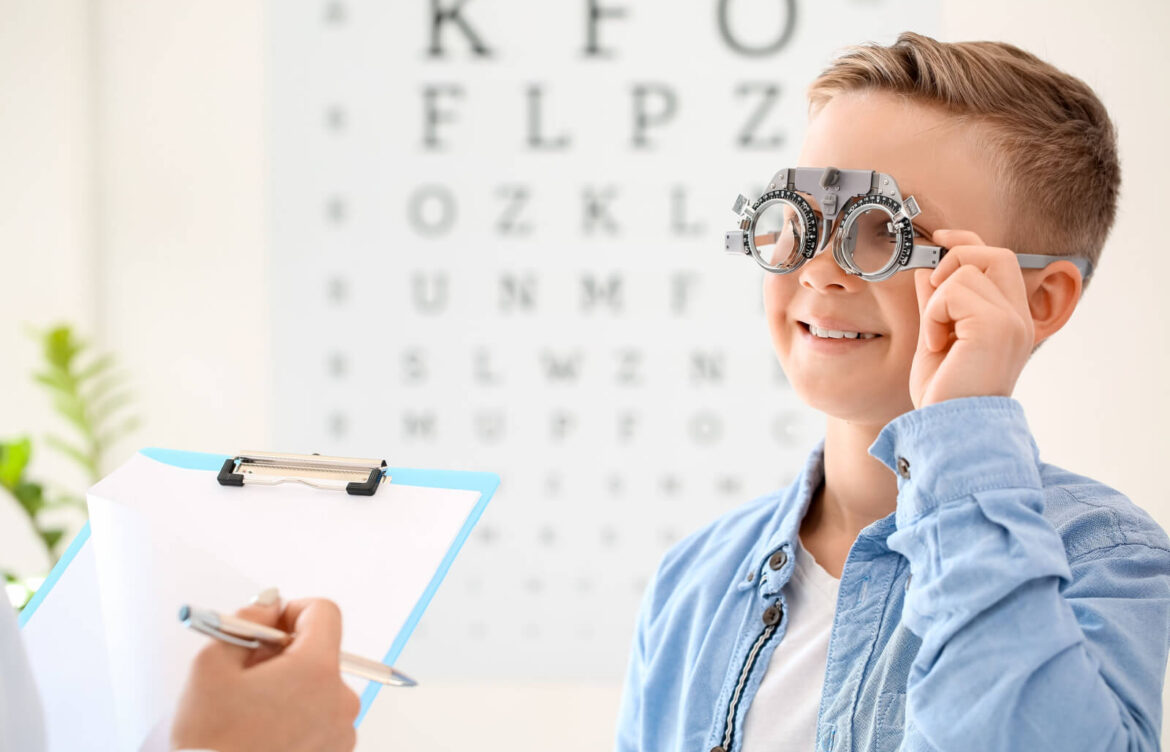
Many parents worry that eye exams might be uncomfortable, but childrens eye tests are simple and painless. A typical exam includes reviewing the child’s medical and vision history, checking visual acuity using age-appropriate charts, assessing eye movement and alignment, and performing a refraction test to determine if glasses are needed.
The doctor will also examine the overall health of the eyes. These steps ensure a thorough children’s vision testing process suited to the child’s age.
Preparing Your Child for an Eye Test
To make childrens eye tests easier, parents can explain the process in a simple and positive way, treat it like a normal activity, schedule appointments when the child is well-rested, and provide comfort and reassurance.
A supportive approach helps children feel more relaxed during children’s vision testing.
The Role of Vision in Learning
Vision problems can sometimes be mistaken for learning difficulties. A child who cannot see clearly may struggle with reading, lose focus, avoid schoolwork, or have trouble copying from the board. This is why childrens eye tests are often recommended before evaluating learning or behavioral concerns.
Clear vision plays a key role in academic success and confidence.
Digital Screens and Children’s Eye Health
With increased screen use, children may experience eye strain, dryness, blurred vision, and headaches. Regular children’s vision testing helps monitor these effects. Parents can encourage healthy habits like taking breaks, limiting screen time, ensuring good lighting, and promoting outdoor activities.
Treatment Options for Vision Problems
If an issue is found during childrens eye tests, treatment may include glasses or contact lenses to correct vision, eye patching for conditions like lazy eye, or vision therapy to improve coordination and focus. In some cases, medical or surgical treatment may be required.
Early detection through children’s vision testing leads to more effective treatment.
The Importance of Regular Follow-Ups
Children’s vision can change as they grow, so regular childrens eye tests are essential. Even if vision appears normal, ongoing children’s vision testing helps track development and detect new issues early.
Supporting Your Child’s Eye Health at Home
Parents can support healthy vision by encouraging a balanced diet rich in essential vitamins, promoting outdoor play, ensuring proper lighting during reading, limiting screen time, and scheduling routine childrens eye tests.
Combining these habits with regular children’s vision testing helps maintain long-term eye health.
Final Thoughts
Healthy vision is essential for a child’s growth, learning, and overall well-being. Childrens eye tests and children’s vision testing are vital steps in ensuring children see clearly and thrive in everyday life. Early detection, regular monitoring, and proper care can prevent many vision problems from becoming serious.
Prioritizing eye health today helps build a clearer and brighter future for every child.