
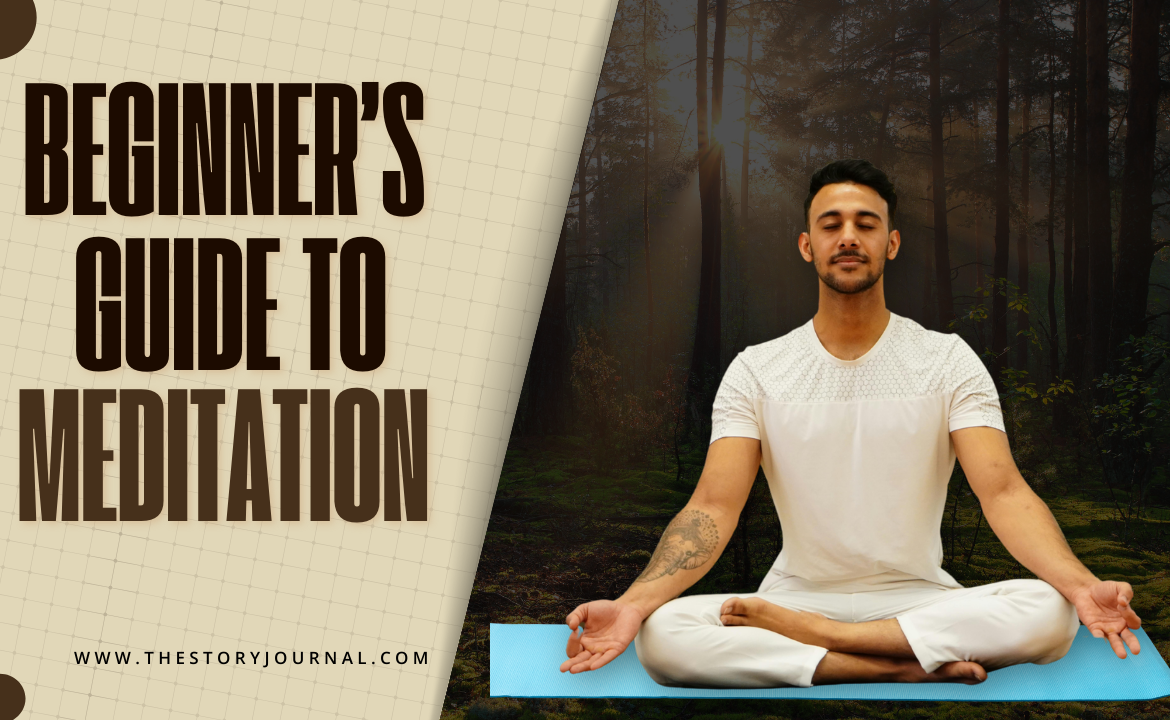
The Beginner’s Guide to Meditation and Mindfulness
Meditation and mindfulness have become popular topics in recent years, often presented as solutions to stress, anxiety, and overwhelm. While they can feel mysterious or intimidating to beginners, at their core, both practices are simple ways of training attention and awareness. You don’t need special equipment, years of experience, or a perfectly quiet life to begin. What you need is a willingness to pause and notice what’s happening within and around you.
This guide is designed to demystify meditation and mindfulness for beginners. You’ll learn what these practices really are, how they work, and how to start in a way that feels realistic and supportive. The goal isn’t to become perfectly calm or to empty your mind. The goal is to build a kinder, more aware relationship with your experience, moment by moment.
Understanding Meditation and Mindfulness
Meditation is a practice of intentionally training your attention. There are many forms of meditation, but they all involve gently guiding your focus to a chosen anchor, such as the breath, a sound, or bodily sensations. When your mind wanders, which it naturally will, you notice it and gently return your attention. This process strengthens your ability to notice where your mind goes and to bring it back when needed.
Mindfulness is the quality of awareness you bring to your experience. It’s about being present with what’s happening right now, without judging it as good or bad. You can practice mindfulness during meditation, but you can also bring mindfulness into everyday activities such as walking, eating, or listening to someone speak. Together, meditation and mindfulness cultivate awareness, presence, and emotional balance.
Why These Practices Matter in Daily Life
Modern life is fast-paced and filled with constant input. Notifications, responsibilities, and expectations pull your attention in many directions. This constant stimulation can leave you feeling scattered, tense, and disconnected from your own experience. Meditation and mindfulness offer a way to slow down internally, even when life around you remains busy.
These practices support mental clarity, emotional regulation, and resilience. By noticing your thoughts and feelings without immediately reacting, you create space for more intentional responses. Over time, this can reduce stress, improve focus, and strengthen your ability to navigate challenges with greater ease.
Common Misconceptions That Hold Beginners Back
Many beginners believe meditation requires clearing the mind of all thoughts. This expectation leads to frustration when thoughts inevitably arise. In reality, noticing thoughts is part of the practice. Each time you notice your mind has wandered and gently bring it back, you’re strengthening your attention.
Another misconception is that meditation must be done in perfect silence or for long periods. While quiet environments can help, they are not required. Short, imperfect sessions are still valuable. The consistency of returning to the practice matters more than creating ideal conditions.
Some people worry they’re “not good at meditation.” There is no performance metric. Meditation is a practice, not a test. The willingness to show up and notice your experience is what matters.
How Meditation Changes the Brain and Nervous System
Meditation influences the nervous system by activating the body’s relaxation response. When you slow your breath and bring attention to the present moment, your body shifts out of fight-or-flight mode. This supports a sense of calm and safety.
Over time, regular meditation can strengthen areas of the brain associated with attention, emotional regulation, and self-awareness. This doesn’t mean you’ll never feel stressed or distracted again. It means you’ll have more tools to recognize these states and respond skillfully.
Mindfulness also helps you notice early signs of stress in your body and mind. This awareness allows you to intervene earlier, perhaps by taking a few conscious breaths or stepping away from a triggering situation before it escalates.
Getting Started With Meditation: A Simple Approach
Starting meditation doesn’t require a complex setup. Choose a comfortable position where your spine is supported and your body feels relaxed but alert. You can sit on a chair, cushion, or even lie down if that’s more comfortable, though staying awake may be easier when sitting.
Set a short, manageable time, such as two to five minutes. This lowers the barrier to starting and makes it easier to build consistency. As you become more comfortable, you can gradually extend the time.
Choose a simple anchor for your attention, such as the sensation of your breath. Notice the feeling of air moving in and out of your body. When your mind wanders, gently acknowledge it and return to the breath. This cycle of wandering and returning is the practice.
Building a Consistent Meditation Habit
Consistency matters more than duration. A few minutes each day builds familiarity and trust in the practice. Pair meditation with an existing habit, such as after waking up or before going to bed, to create a natural cue.
It’s normal for motivation to fluctuate. On days when you don’t feel like meditating, shorten the session rather than skipping it entirely. Showing up for one minute still reinforces the habit. Over time, the practice becomes a familiar part of your routine rather than a task you have to force yourself to do.
Introducing Mindfulness Into Everyday Activities
Mindfulness isn’t limited to formal meditation. You can bring mindful awareness into daily life by paying attention to sensory experiences. When you eat, notice the taste and texture of your food. When you walk, feel your feet on the ground. When you listen to someone, notice the tone of their voice and your own reactions.
These small moments of presence help train your mind to stay connected to the present rather than constantly drifting into worry about the future or rumination about the past. Over time, this presence can transform ordinary moments into opportunities for grounding and appreciation.
Working With Difficult Thoughts and Emotions
Meditation and mindfulness don’t eliminate difficult thoughts or emotions. Instead, they change your relationship with them. When a challenging emotion arises, mindfulness invites you to notice it with curiosity rather than resistance. You might observe where you feel it in your body and how it changes over time.
This approach doesn’t mean suppressing emotions or pretending everything is fine. It means allowing emotions to be present without immediately reacting or judging yourself for having them. Over time, this reduces the intensity and duration of emotional storms because you’re no longer fueling them with resistance.
Creating a Supportive Environment for Practice
Your environment can support your practice, even in small ways. Choose a consistent spot where you feel relatively comfortable and undisturbed. This creates an association between that space and the practice of mindfulness.
You might also create gentle cues that signal it’s time to slow down, such as lighting a candle or taking a few deep breaths before you begin. These cues help your body and mind transition into a more attentive state.
Common Challenges and How to Navigate Them
Restlessness is common, especially at the beginning. If your body feels uncomfortable, gently adjust your posture. If your mind feels busy, remember that noticing busyness is part of the practice. You’re not failing when your mind wanders; you’re practicing awareness.
Impatience can also arise when you don’t notice immediate benefits. Meditation works gradually. The changes are often subtle at first, such as slightly more awareness of your reactions or a brief pause before responding to stress. Trust the process and focus on showing up consistently.
Integrating Meditation and Mindfulness Into a Busy Life
You don’t need large blocks of time to practice. Short moments of mindfulness can be woven into your day. Taking three conscious breaths before a meeting, noticing your body while waiting in line, or pausing before responding to a message are all forms of mindfulness.
Formal meditation sessions create a foundation that makes these informal moments more accessible. Together, they build a rhythm of awareness that supports you throughout the day.
The Long-Term Benefits of a Gentle Practice
Over time, meditation and mindfulness cultivate a more compassionate relationship with yourself. You become more aware of your inner dialogue and less identified with every thought that passes through your mind. This creates space for kindness and perspective.
These practices also support resilience. Challenges still arise, but you’re better equipped to meet them with presence rather than reactivity. This doesn’t mean life becomes easy. It means you meet life with more steadiness and clarity.
Final Thoughts: Begin Where You Are
The beginner’s path in meditation and mindfulness is not about perfection. It’s about starting where you are, with the life you have. Each moment of awareness is meaningful, no matter how brief. Over time, these moments accumulate into a way of being that is more present, compassionate, and grounded.
You don’t need to wait until you feel calm or ready. Begin with curiosity. Sit for a few minutes. Notice your breath. And when your mind wanders, gently return. That simple act, repeated over time, is the heart of the practice.