
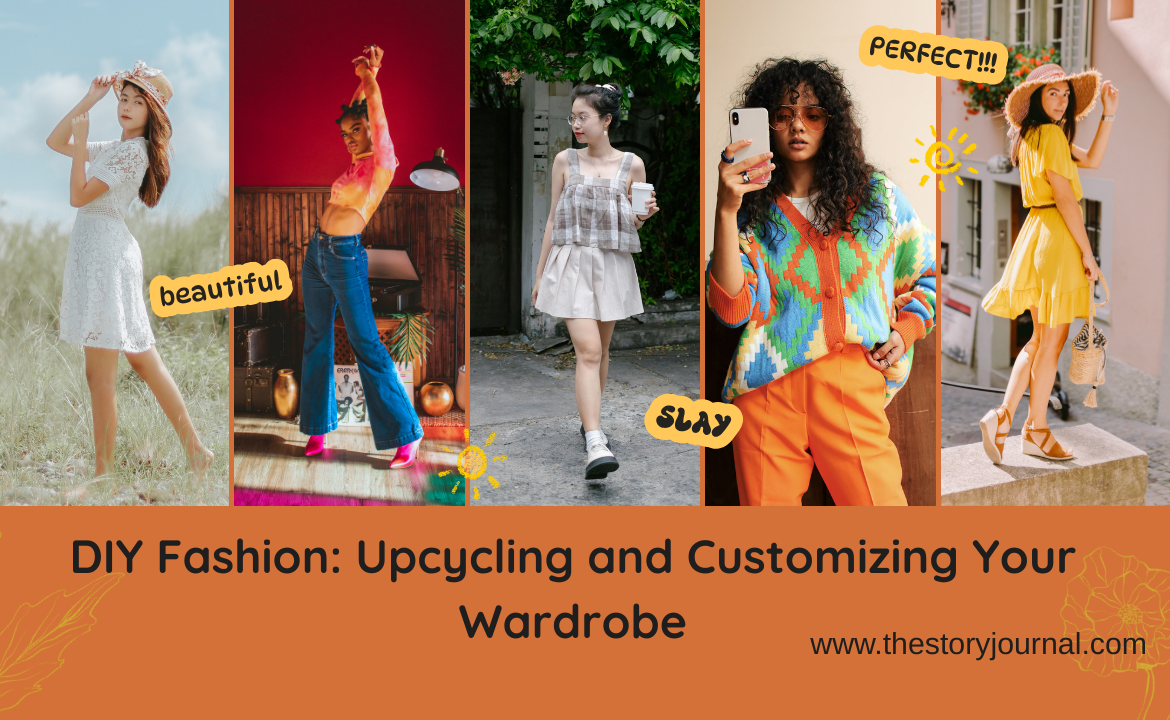
DIY Fashion: Upcycling and Customizing Your Wardrobe
Fashion today is moving in two very different directions at once. On one side, fast fashion offers endless new trends at low prices, encouraging constant consumption. On the other, a growing number of people are pushing back, choosing creativity, sustainability, and individuality instead. At the center of this movement is DIY fashion. DIY Fashion: Upcycling and Customizing Your Wardrobe is more than a trend; it is a mindset that empowers people to take control of their style while reducing waste and celebrating originality.
DIY fashion invites individuals to rethink their relationship with clothing. Instead of discarding old garments, it encourages transformation. A worn-out jacket can become a statement piece, an oversized shirt can be reshaped into a modern silhouette, and simple embellishments can turn basic items into unique designs. In a world increasingly aware of environmental and ethical concerns, DIY fashion offers a practical and expressive solution.
This blog explores the meaning of DIY fashion, the art of upcycling, the creative possibilities of customization, and how these practices are reshaping modern wardrobes.
Understanding DIY Fashion
DIY fashion, or “do it yourself” fashion, refers to the process of creating, altering, or decorating clothing by hand rather than purchasing finished garments. It includes upcycling old clothes, repairing damaged items, adding personal details, and experimenting with design techniques. Unlike mass-produced fashion, DIY fashion prioritizes creativity, skill, and personal expression.
Upcycling is a key component of DIY fashion. It involves taking existing garments or materials and transforming them into something new and improved. Rather than recycling materials into raw fibers, upcycling preserves the original fabric while enhancing its style or function. Customizing, on the other hand, focuses on personalization—adding embroidery, paint, patches, or structural changes to reflect individual taste.
Together, upcycling and customization allow people to design clothing that truly represents who they are.
The Rise of DIY Fashion Culture
DIY fashion has deep roots in history. For centuries, people made and altered their own clothes out of necessity. Before industrial manufacturing, sewing and mending were essential life skills. Clothing was valued, repaired, and passed down through generations.
In the modern era, DIY fashion reemerged as a form of resistance. Punk culture in the 1970s embraced DIY aesthetics as a rejection of mainstream fashion and consumerism. Torn fabrics, safety pins, and hand-altered clothing became symbols of rebellion and authenticity.
Today, DIY fashion is experiencing a renewed surge in popularity. Social media platforms, sustainability movements, and economic awareness have all contributed to its growth. People are rediscovering the satisfaction of making something with their own hands and expressing individuality beyond store-bought trends.
Sustainability and Environmental Impact
One of the strongest motivations behind DIY fashion is sustainability. The fashion industry is one of the largest polluters globally, producing massive amounts of textile waste each year. Fast fashion encourages short-term use, leading to overflowing landfills and environmental damage.
DIY fashion offers a meaningful alternative. By upcycling and customizing existing garments, individuals reduce the demand for new clothing production. This conserves resources such as water, energy, and raw materials. Repairing and redesigning clothing also extends its lifespan, reducing waste and promoting responsible consumption.
DIY fashion aligns closely with the principles of slow fashion, which emphasize quality, durability, and ethical production. Choosing to upcycle rather than discard clothing reflects a commitment to environmental responsibility.
The Creative Power of Upcycling
Upcycling is where creativity truly shines. It transforms limitations into opportunities. An old pair of jeans can become a skirt, a tote bag, or decorative patches. A damaged sweater can be reworked into a cropped top or layered accessory.
Upcycling encourages problem-solving and imagination. It challenges individuals to see potential in what others might consider unusable. This process fosters a deeper appreciation for materials and craftsmanship.
Beyond personal use, upcycling has gained recognition within the fashion industry. Designers increasingly incorporate upcycled elements into collections, proving that sustainable practices can coexist with innovation and style.
Customizing Your Wardrobe for Personal Style
Customization allows individuals to tailor clothing to their preferences. This can be as simple as adjusting fit or as elaborate as redesigning an entire garment. Techniques such as embroidery, fabric painting, patchwork, and dyeing offer endless possibilities for self-expression.
Customizing clothing helps people break free from standardized sizing and trends. It allows garments to reflect personal identity, cultural influences, and creative vision. Even small changes can make a significant impact, turning ordinary clothing into meaningful pieces.
Customization also fosters confidence. Wearing something you created or modified yourself adds a sense of pride and connection to your wardrobe.
DIY Fashion and Skill Development
Engaging in DIY fashion builds valuable skills. Sewing, pattern-making, and fabric manipulation enhance technical abilities and problem-solving skills. Over time, individuals gain confidence in their creative capabilities and develop a deeper understanding of garment construction.
Learning DIY fashion skills also promotes patience and mindfulness. The process of designing and crafting clothing encourages focus and intentionality, offering a break from fast-paced digital consumption.
These skills can extend beyond personal wardrobes, opening opportunities in creative industries or small businesses centered around handmade fashion.
The Role of Social Media in DIY Fashion
Social media has played a significant role in popularizing DIY fashion. Platforms like Instagram, TikTok, and YouTube provide tutorials, inspiration, and community support. Content creators share step-by-step guides, before-and-after transformations, and creative experiments, making DIY fashion accessible to beginners.
These platforms also challenge traditional fashion hierarchies. Everyday individuals can showcase their creativity, influence trends, and connect with like-minded communities. DIY fashion thrives in this collaborative environment, where ideas are shared and celebrated.
The visibility of DIY fashion online has helped normalize creative reuse and encouraged people to experiment with their wardrobes.
DIY Fashion and Economic Benefits
Beyond creativity and sustainability, DIY fashion offers financial advantages. Customizing and upcycling clothing can significantly reduce spending on new garments. Instead of purchasing trendy items, individuals can recreate similar styles using existing pieces.
DIY fashion also supports economic independence. Some individuals turn their skills into small businesses, selling customized clothing or offering alteration services. This entrepreneurial aspect highlights the practical value of DIY fashion.
In uncertain economic times, the ability to repair and redesign clothing becomes an empowering resource.
Overcoming Challenges in DIY Fashion
While DIY fashion is rewarding, it comes with challenges. Beginners may feel intimidated by sewing techniques or lack access to tools. Mistakes are part of the learning process, and patience is essential.
Time investment is another consideration. DIY projects require effort and planning, which may not always fit busy schedules. However, even small projects can have a meaningful impact.
Access to knowledge and resources continues to improve through online tutorials, workshops, and community spaces, making DIY fashion more approachable than ever.
DIY Fashion as a Form of Self-Expression
DIY fashion allows individuals to tell their own stories through clothing. Each altered seam, stitched patch, or painted design reflects personal experiences and values. Clothing becomes a canvas rather than a product.
This form of self-expression challenges conventional fashion norms. It shifts focus from brand labels to creativity and authenticity. DIY fashion celebrates imperfections, individuality, and the beauty of handmade design.
In a world where trends change rapidly, DIY fashion offers a timeless way to express identity.
The Future of DIY Fashion
As awareness of sustainability and individuality continues to grow, DIY fashion is likely to play an even greater role in the future of style. Educational programs, community workshops, and digital platforms will continue to support skill development and creative exploration.
Technology may also enhance DIY fashion through digital pattern design, smart textiles, and innovative tools. However, the core values of DIY fashion—creativity, sustainability, and personal expression—will remain unchanged.
DIY Fashion: Upcycling and Customizing Your Wardrobe represents a shift toward mindful fashion choices and creative empowerment.
Conclusion
DIY Fashion: Upcycling and Customizing Your Wardrobe redefines how people interact with clothing. By embracing upcycling and customization, individuals reduce waste, develop skills, and create wardrobes that truly reflect their identity.
In a fashion industry driven by speed and uniformity, DIY fashion stands as a powerful alternative. It proves that style does not have to be expensive, wasteful, or impersonal. Through creativity and intention, anyone can transform their wardrobe and make fashion meaningful again.