
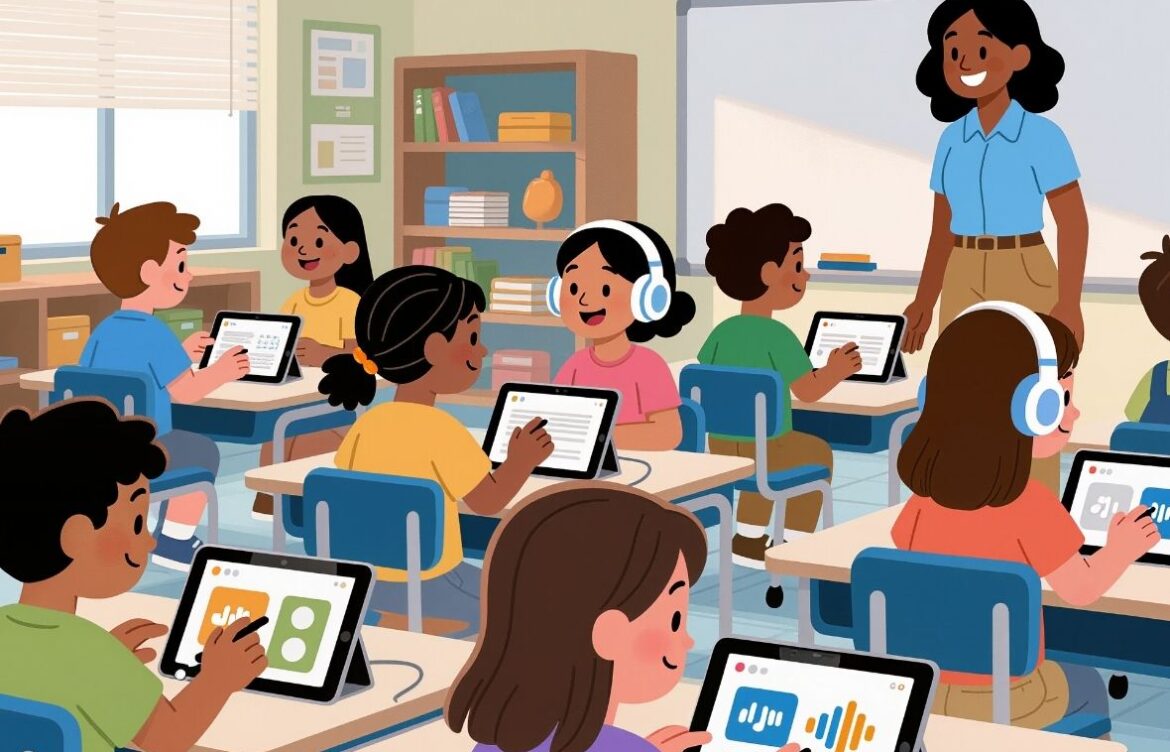
EdTech Tools Improving Student Engagement
Student engagement has become one of the most important success factors in modern education. In 2025, learners are surrounded by digital experiences that demand interactivity, personalization, and relevance. Traditional teaching methods alone often struggle to keep students motivated and attentive. This is where EdTech tools play a transformative role.
Educational technology tools are helping teachers create interactive learning environments, encourage participation, and improve learning outcomes across schools, colleges, and universities. This article explores how EdTech tools are improving student engagement, the types of tools being used, and their impact on teaching and learning.
Understanding Student Engagement in Modern Education
Student engagement refers to the level of attention, curiosity, interest, and involvement students show in the learning process. Engaged students are more likely to participate actively, retain information, and perform better academically.
Engagement has three key dimensions:
- Behavioral engagement, such as participation and attendance
- Emotional engagement, including interest and motivation
- Cognitive engagement, involving critical thinking and problem solving
EdTech tools support all three dimensions by making learning interactive, relevant, and student centered.
Why EdTech Tools Are Essential for Engagement
Today’s students are digital natives. They are accustomed to interactive content, instant feedback, and personalized experiences. EdTech tools align education with these expectations.
Key reasons EdTech tools improve engagement include:
- Interactive learning experiences
- Immediate feedback and assessment
- Personalized learning paths
- Collaboration and communication
- Visual and multimedia content
When used effectively, technology enhances teaching rather than replacing it.
Learning Management Systems Enhancing Engagement
Learning management systems form the foundation of digital learning environments.
These platforms organize lessons, assignments, discussions, and assessments in one place. Students know what to study, when to submit work, and how they are progressing.
Engagement Benefits of Learning Management Systems
| Feature | Engagement Impact |
| Centralized resources | Reduced confusion |
| Discussion forums | Peer interaction |
| Assignment tracking | Accountability |
| Progress dashboards | Motivation |
Clear structure and visibility keep students actively involved.
Interactive Content and Multimedia Tools
Static text based learning often leads to disengagement. EdTech tools introduce multimedia elements that make concepts easier to understand.
Teachers use videos, animations, simulations, and interactive modules to explain complex topics. These tools support different learning styles and improve retention.
Multimedia Learning Impact
| Content Type | Student Benefit |
| Videos | Visual understanding |
| Animations | Concept clarity |
| Simulations | Practical learning |
| Interactive modules | Active participation |
Multimedia content transforms passive learning into active exploration.
Gamification Tools Driving Motivation
Gamification is one of the most powerful engagement strategies in education.
By incorporating points, badges, levels, quizzes, and leaderboards, EdTech tools make learning enjoyable and competitive in a positive way.
Gamification and Engagement
| Gamified Element | Learning Effect |
| Quizzes | Increased focus |
| Rewards | Motivation |
| Challenges | Active participation |
| Progress levels | Goal setting |
Gamified learning reduces fear of failure and encourages continuous participation.
Digital Assessment and Feedback Tools
Timely feedback is critical for keeping students engaged.
EdTech assessment tools allow teachers to conduct quizzes, assignments, and polls with instant results. Students receive immediate feedback, which helps them correct mistakes and stay motivated.
Assessment Tool Benefits
| Assessment Aspect | Engagement Outcome |
| Instant feedback | Higher motivation |
| Frequent evaluation | Continuous learning |
| Performance insights | Self awareness |
| Reduced pressure | Better confidence |
Ongoing assessment keeps students connected to the learning process.
Collaboration Tools for Active Learning
Collaboration enhances engagement by encouraging communication and teamwork.
EdTech collaboration tools allow students to work together on projects, share ideas, and provide feedback, even in remote or hybrid environments.
Collaboration and Engagement
| Collaboration Feature | Student Outcome |
| Group projects | Team skills |
| Shared documents | Active contribution |
| Real time editing | Faster learning |
| Peer feedback | Deeper understanding |
Collaborative learning builds both academic and social skills.
Virtual Classrooms and Live Interaction Tools
Live virtual classrooms bring real time interaction into digital learning.
Teachers use video conferencing tools with features like breakout rooms, live polls, chat, and digital whiteboards. These features replicate and enhance classroom interaction.
Virtual Classroom Engagement
| Feature | Engagement Benefit |
| Live discussions | Active participation |
| Breakout rooms | Collaboration |
| Polls and Q&A | Instant interaction |
| Digital whiteboards | Visual learning |
Live interaction helps maintain attention and connection.
AI Powered EdTech Tools and Personalization
Artificial intelligence has significantly enhanced student engagement.
AI powered EdTech tools analyze learning behavior and personalize content, difficulty levels, and pacing. Students receive recommendations based on their strengths and areas for improvement.
AI Impact on Engagement
| AI Feature | Engagement Result |
| Personalized learning paths | Higher relevance |
| Adaptive difficulty | Reduced frustration |
| Learning analytics | Targeted support |
| Automated feedback | Faster improvement |
Personalization keeps students motivated and confident.
EdTech Tools Supporting Inclusive Learning
EdTech tools play a key role in inclusive education.
They support students with diverse needs through features such as text to speech, speech to text, captions, language translation, and adjustable content formats.
Inclusion Through EdTech
| Student Need | EdTech Support |
| Learning disabilities | Assistive tools |
| Language barriers | Multilingual content |
| Accessibility challenges | Adaptive interfaces |
| Confidence issues | Self paced learning |
Inclusive tools ensure equal engagement opportunities for all learners.
Role of Teachers in Maximizing EdTech Engagement
Technology alone does not guarantee engagement. Teachers play a crucial role in how EdTech tools are used.
Effective use involves:
- Aligning tools with learning objectives
- Encouraging participation without pressure
- Balancing screen time with discussion
- Using data insights to support students
When teachers integrate EdTech thoughtfully, engagement improves significantly.
Challenges in Using EdTech Tools
Despite their benefits, EdTech tools present challenges that institutions must address.
Common Challenges
| Challenge | Impact on Engagement |
| Limited access to devices | Learning gaps |
| Digital literacy issues | Low participation |
| Tool overload | Student confusion |
| Screen fatigue | Reduced attention |
Strategic implementation and training help overcome these challenges.
Measuring Student Engagement With EdTech
EdTech tools provide data that helps measure engagement effectively.
Key indicators include:
- Participation rates
- Completion levels
- Time spent on learning activities
- Assessment performance
- Interaction frequency
Data driven insights allow educators to adjust strategies and improve engagement continuously.
Future of EdTech and Student Engagement
The future of EdTech is focused on deeper engagement and personalization.
Emerging trends include:
- AI driven adaptive learning
- Immersive virtual and augmented reality
- Real time learning analytics
- Gamified skill based education
These innovations will further strengthen student involvement and learning outcomes.
Conclusion
EdTech tools are transforming education by significantly improving student engagement. Through interactive content, gamification, collaboration, personalized learning, and inclusive support, technology creates dynamic learning environments that motivate students to participate actively.
When combined with effective teaching strategies, EdTech tools enhance curiosity, understanding, and academic success. In 2025 and beyond, EdTech will continue to play a central role in building engaging, learner centered education systems.