The Versatility And Sustainability Of Pappedeckel
In a world increasingly focused on sustainability, material choices matter more than ever. One humble yet highly versatile material that has quietly shaped industries for decades is pappedeckel. Though the word may not be familiar to everyone, pappedeckel plays a vital role in packaging, crafts, education, and sustainable design. From protecting goods to inspiring creativity, this sturdy form of cardboard deserves a closer look.
What Is Pappedeckel?
Pappedeckel is a German term commonly used to describe thick, rigid cardboard or paperboard. Unlike thin paper or lightweight carton, pappedeckel is known for its durability and structural strength. It is often made from recycled paper fibers, pressed and layered to create a dense, firm sheet. This combination of strength and flexibility makes it ideal for a wide range of applications.
Historically, pappedeckel has been used in bookbinding, box-making, and industrial packaging. Over time, its use has expanded as designers and manufacturers recognized its balance between affordability, performance, and environmental responsibility.
A Sustainable Material Choice
One of the strongest advantages of pappedeckel is its sustainability. Most pappedeckel products are produced from recycled paper and are themselves recyclable. Compared to plastic or composite materials, the environmental footprint of pappedeckel is significantly lower. It requires less energy to produce, breaks down naturally, and fits seamlessly into circular economy models.
As businesses and consumers seek eco-friendly alternatives, pappedeckel has gained renewed attention. Many companies now use it for packaging not only because it protects products well, but also because it sends a clear message about environmental values. Choosing pappedeckel can help reduce plastic waste while maintaining functionality and aesthetic appeal.
Uses in Packaging and Logistics
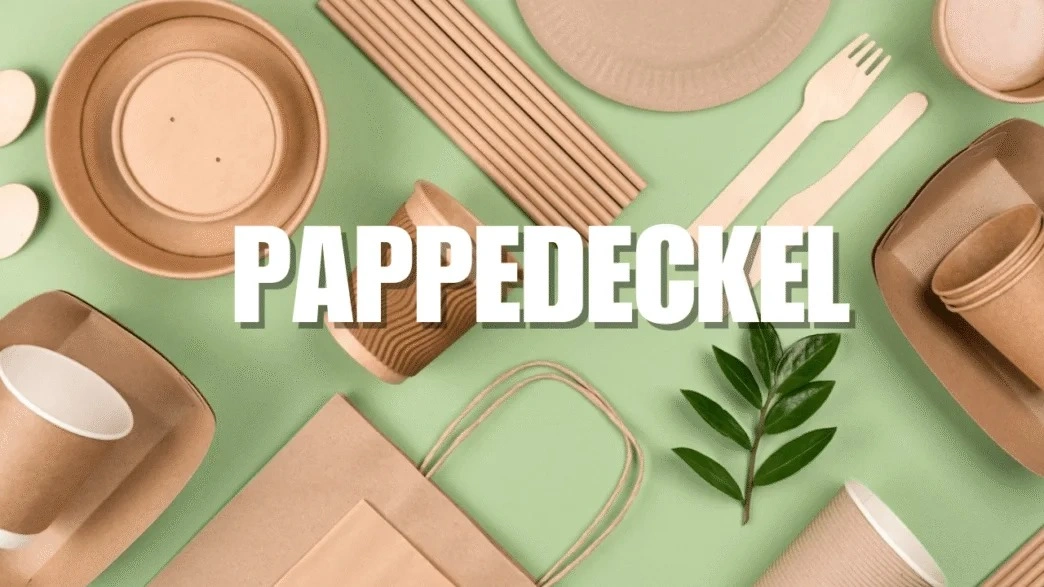
Packaging is perhaps the most visible use of pappedeckel today. Its rigidity makes it perfect for boxes, inserts, dividers, and protective covers. Electronics, cosmetics, food items, and luxury goods often rely on pappedeckel packaging to ensure products arrive safely while still looking premium.
In logistics, pappedeckel is valued for being lightweight yet strong. It adds minimal shipping weight while providing structural integrity. Custom-cut pappedeckel inserts can secure items in place, reducing damage during transport and minimizing the need for additional filler materials.
Creative and Educational Applications
Beyond industrial use, pappedeckel is a favorite material in creative and educational settings. Artists, designers, and architects frequently use it for models, prototypes, and mock-ups. Its ease of cutting, gluing, and shaping makes it ideal for experimenting with form and structure.
In schools, pappedeckel is widely used for craft projects and learning tools. Students can safely work with it to build models, posters, and presentations. Because it is inexpensive and readily available, it encourages hands-on learning without the fear of wasting costly materials.
Pappedeckel in Design and Branding
Modern branding increasingly emphasizes authenticity and sustainability, and pappedeckel fits perfectly into this narrative. Many brands now choose pappedeckel for product packaging, signage, and displays to create a natural, minimalist look. Its texture and matte finish convey warmth and honesty, qualities that resonate strongly with consumers.
Designers appreciate that pappedeckel can be printed on, embossed, or laminated while still retaining its eco-friendly character. Whether used in retail displays or promotional materials, it offers a balance of visual appeal and environmental responsibility.
Durability and Practical Benefits
Despite being paper-based, pappedeckel is surprisingly durable. It resists bending and tearing better than standard cardboard, making it suitable for long-term use in storage and display. With proper treatment or coating, it can also handle moderate moisture exposure, further expanding its usability.
Another practical benefit is its cost-effectiveness. Compared to wood, plastic, or metal alternatives, pappedeckel is relatively inexpensive to produce and process. This makes it accessible for small businesses, startups, and individual creators who want quality materials without high costs.
The Future of Pappedeckel
As innovation in sustainable materials continues, pappedeckel is likely to evolve even further. Advances in manufacturing are improving its strength, consistency, and resistance to environmental factors. At the same time, growing demand for plastic-free solutions ensures that pappedeckel will remain highly relevant.
Researchers and manufacturers are also experimenting with combining pappedeckel with other natural materials to enhance performance while keeping it recyclable. These developments suggest a future where pappedeckel plays an even bigger role in eco-conscious design and production.
Conclusion
Pappedeckel may seem simple at first glance, but its impact is far-reaching. From sustainable packaging and efficient logistics to creative expression and educational use, this versatile material proves that innovation does not always require complexity. By choosing pappedeckel, individuals and businesses alike support a more sustainable, practical, and thoughtful approach to material use. In a world striving for greener solutions, pappedeckel stands as a strong, reliable, and responsible choice.
AI Music Generator
December 22, 2025I love how pappedeckel bridges the gap between sustainability and versatility. It’s impressive that it’s used in everything from packaging to creative projects. It’s exciting to think how designers are incorporating it into branding too!