
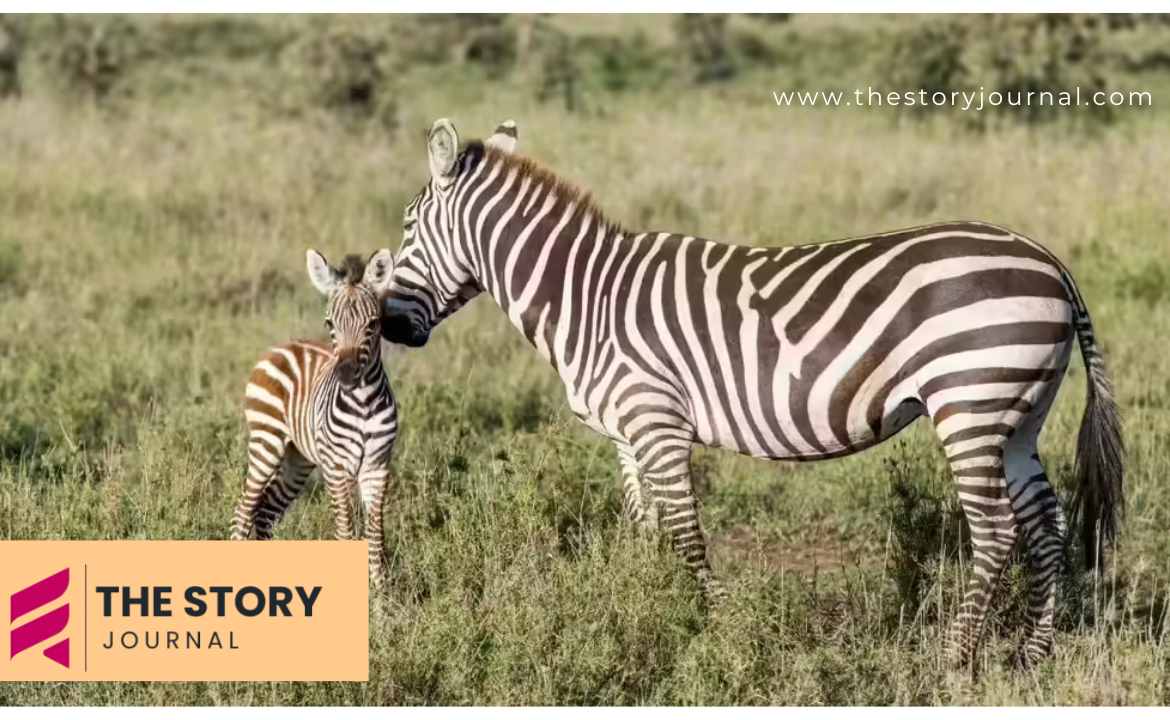
AI-Generated Zebra Twins? Twitter Video Leaves Experts Skeptical
Source: Twitter – Crazy Moments
Introduction
In an era where artificial intelligence can generate hyper-realistic videos within seconds, a recent viral clip has reignited debate about digital authenticity. A video circulating on Twitter titled “AI Zebra Twins Birth Video Mesmerizes Then Faces Scrutiny” captivated millions by appearing to show an extraordinary wildlife event—twin zebra foals being born in a picturesque autumn forest. The footage quickly gained traction, drawing emotional reactions from viewers worldwide. Yet almost as fast as it spread, it began to face serious scrutiny.
The Viral Video That Captured Attention
The video was posted Tuesday by the popular Twitter account Crazy Moments, known for sharing dramatic and visually striking content. It showed what appeared to be a zebra giving birth to twin foals amid fallen leaves and bare trees in what looked like a North American forest setting. Within minutes of birth, the two foals appeared to stand and move with surprising stability. The comment section filled with emotional reactions such as “Double miracle!”, “Nature never stops amazing me,” and “This is so rare and beautiful.” The combination of rarity, emotional impact, and cinematic visuals helped propel the video to viral status.
Why Viewers Began Questioning the Footage
Although many viewers were captivated, wildlife enthusiasts and experts quickly identified inconsistencies.
Habitat Mismatch
Zebras are native to African savannas and grasslands. They do not inhabit cold, leaf-covered forests typical of North America or Europe. The video featured deciduous trees without leaves, a chilly autumn atmosphere, and what appeared to be a paved suburban-style road. These environmental details did not align with a natural zebra habitat, raising immediate red flags.
The Rarity of Twin Zebra Births
Twin births in zebras are extremely rare, occurring in less than 1% of pregnancies. Even more significantly, survival rates for twin foals are very low due to limited maternal resources. Zebras typically have a gestation period of about 12–13 months, give birth to a single foal, and produce enough milk to sustain only one offspring. Documented cases of surviving twin zebra foals are exceptionally uncommon. The seamless survival and quick mobility portrayed in the video seemed statistically improbable.
AI Detection and Digital Analysis
As skepticism grew, online communities began analyzing the clip using AI-detection tools. Discussions pointed toward the possible use of advanced video-generation platforms such as Kling AI, known for producing realistic animal simulations. Observers noted potential signs of AI fabrication, including subtle lighting inconsistencies, texture irregularities in fur patterns, and slight background blending artifacts. Some experts speculated the video may have been fully AI-generated or created by combining real zebra footage with synthetic backgrounds. While no official forensic confirmation has been released, many analysts concluded that the clip was likely fabricated or heavily manipulated.
The Rise of AI-Generated Animal Content
The zebra twins video is not an isolated case. Since late 2025, social media platforms have experienced a surge in hyper-realistic AI wildlife clips featuring rare animal births, unlikely interspecies friendships, exotic species in improbable environments, and emotional rescue stories. Animal content consistently performs well online due to its emotional appeal. When combined with the perceived rarity of an event, it becomes highly shareable and algorithm-friendly.
Why the Video Spread So Quickly
Several psychological and technical factors contributed to the clip’s viral success.
Emotional Appeal
Twin births symbolize rarity and wonder. The phrase “double miracle” resonated strongly with viewers seeking uplifting content.
Visual Realism
Modern AI tools can replicate natural lighting, realistic motion physics, convincing animal behavior, and detailed fur textures. For casual viewers watching on smartphones, distinguishing real footage from AI-generated content is increasingly difficult.
Algorithm Amplification
High early engagement likely triggered platform algorithms to push the video to wider audiences, accelerating its reach.
Ethical Concerns and Misinformation Risks
The incident raises important ethical questions. Should AI-generated wildlife videos be clearly labeled? Does fabricated content undermine trust in real conservation footage? Can such videos spread misinformation about animal biology and habitats? While some argue that AI wildlife content is harmless entertainment, others warn it could erode public trust and distort understanding of real ecological facts.
Understanding Zebra Biology
To appreciate why experts were skeptical, it helps to review zebra reproduction. Zebras, like horses, are biologically adapted for single births. Twin pregnancies are rare and often high-risk in equine species. In the wild, twin foals face challenges including nutritional competition, weaker immune resilience, and lower survival probabilities. The video’s portrayal of two healthy, mobile twin foals thriving immediately after birth conflicted with established biological knowledge.
The Broader Trend Since Late 2025
The zebra twins clip fits into a larger digital pattern. Since late 2025, AI-generated wildlife videos have become increasingly sophisticated and frequent. Many depict unprecedented or emotionally charged scenarios designed to maximize engagement. Even when debunked, such content often continues circulating, demonstrating the power of viral momentum.
The Role of Media Literacy
In today’s digital landscape, viewers must adopt stronger critical thinking habits. Before sharing sensational wildlife footage, consider whether the environment matches the species’ natural habitat, whether the event is biologically plausible, whether credible wildlife media has reported on it, and whether there are signs of digital manipulation. A brief pause for evaluation can prevent the spread of misinformation.
Conclusion
The AI Zebra Twins Birth video captivated audiences before prompting widespread skepticism. It highlights both the remarkable capabilities of modern AI video tools and the growing challenge of distinguishing authentic footage from digital fabrication. As AI technology continues to evolve, extraordinary online moments may not always be what they seem. In 2026 and beyond, the line between genuine wildlife documentation and AI-generated spectacle will only become thinner. The next time a once-in-a-lifetime animal miracle trends on Twitter, it may be worth taking a closer look before believing—and sharing—it.