
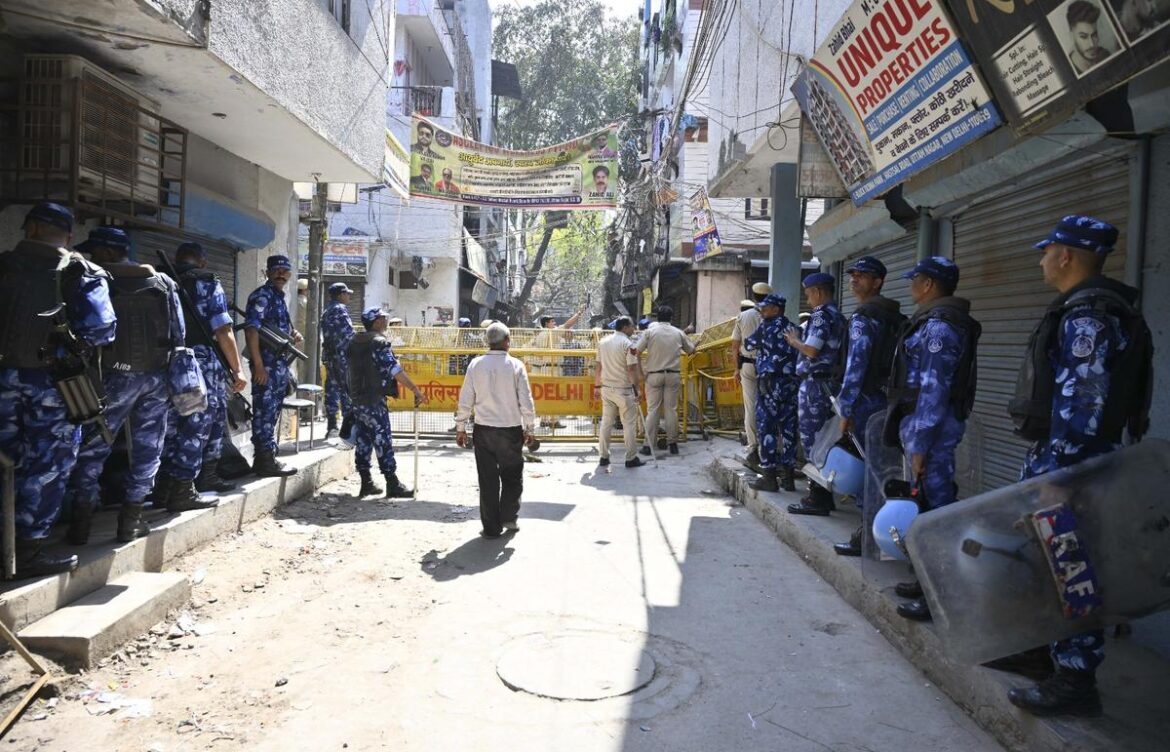
Delhi Holi Violence: Tarun Kumar Dies After Neighborhood Clash
Source : Twitter
Introduction
Festivals in India are usually associated with joy, celebration, and unity. Holi, the festival of colors, is especially known for bringing communities together as people celebrate with colors, music, and traditional festivities. However, a tragic incident in Delhi turned a moment of celebration into grief and controversy.
A violent clash during Holi celebrations resulted in the death of 26-year-old Tarun Kumar, sparking outrage, debate, and concern about neighborhood conflicts escalating into deadly violence. According to reports, the incident began with a seemingly minor altercation involving a water balloon but soon escalated into a brutal confrontation that left Tarun critically injured.
The tragedy has attracted widespread attention on social media platforms, with discussions and reactions circulating across Twitter, where users have been debating the circumstances, accountability, and broader implications of the incident.
Authorities have since launched an investigation, leading to arrests and legal action against several individuals allegedly involved in the attack.
The Incident That Sparked the Violence
The incident occurred on March 4, during Holi celebrations in a neighborhood of Delhi. According to police reports, the conflict began when a water balloon accidentally splashed a woman from a neighboring family.
What might have been dismissed as a harmless festival prank quickly escalated into a heated argument between the two families. Witnesses say the dispute intensified as members of both sides became involved, turning a minor disagreement into a full-scale confrontation.
Soon after the argument began, the situation spiraled into violence. According to investigators, Tarun Kumar became caught in the conflict and was attacked with rods, bricks, and stones.
The assault left him with severe head injuries, and he was rushed to the hospital in critical condition.
Tarun Kumar’s Struggle for Life
Following the attack, Tarun Kumar was admitted to a hospital where doctors attempted to stabilize his condition.
Family members remained hopeful as medical staff worked to treat the serious injuries he had suffered during the violent clash. Unfortunately, the damage caused by the blows to his head proved fatal.
Tarun Kumar died the following day, leaving his family devastated and raising serious questions about how a festival dispute could escalate into such a deadly confrontation.
The incident quickly spread through local communities and social media platforms, with many people expressing shock and sadness over the loss of a young life.
Police Investigation and Arrests
After the incident, Delhi Police launched a detailed investigation into the circumstances surrounding the attack.
Authorities identified several individuals believed to be involved in the assault. Eight members of the accused family were arrested, including Mohammad Zahid, who is considered one of the main accused in the case.
Initially, the case was registered under charges related to assault and causing grievous injury. However, following Tarun Kumar’s death, police upgraded the charges to murder.
In addition, investigators added provisions under the Scheduled Castes and Scheduled Tribes (SC/ST) Act, reflecting the seriousness of the allegations and the possible social dynamics involved in the case.
The arrests marked a significant step in the investigation as authorities sought to hold those responsible accountable.
Municipal Action Against Illegal Construction
The case took another turn when local civic authorities became involved.
Officials from the Municipal Corporation of Delhi (MCD) carried out an inspection of the residence belonging to the main accused. During the inspection, authorities identified an illegal structure at the property.
Subsequently, the MCD partially demolished the unauthorized construction, citing violations of building regulations.
The demolition drew mixed reactions from the public. Some viewed it as a strong administrative response following the violent incident, while others argued that civic action should remain separate from criminal investigations.
Nonetheless, the action added another dimension to an already complex situation.
Conflicting Accounts From Both Families
As the investigation progressed, conflicting narratives began to emerge from both sides involved in the dispute.
Tarun Kumar’s family maintains that he was an innocent victim who had been lured into the situation through a fake call. According to them, Tarun had no intention of participating in any confrontation and was attacked without justification.
They claim that the violence was unprovoked and that Tarun was targeted by members of the neighboring family.
On the other hand, the accused family presents a very different version of events.
According to their claims, Tarun allegedly returned to the location accompanied by armed men, which escalated the confrontation and triggered the violent clash.
These conflicting accounts have complicated the investigation, requiring police to carefully examine witness statements, video evidence, and forensic reports.
Police Clarify Nature of the Conflict
As speculation spread on social media, authorities sought to clarify the nature of the incident.
According to police officials, the clash was not communal violence, despite rumors circulating online. Instead, investigators emphasize that the incident stems from a long-standing neighborhood feud between two families originally from Rajasthan.
The families reportedly settled in the Delhi area around 2004, and tensions between them had existed for years.
Police say that previous disputes between the families had created an environment where even minor incidents could quickly escalate into serious confrontations.
By highlighting the history of conflict, authorities aim to prevent misinformation and ensure that the case is viewed within the correct context.
Social Media Reaction and Public Debate
As news of the incident spread, social media platforms became a major space for discussion and debate.
On Twitter, users expressed a wide range of reactions. Many called for strict punishment for those responsible for the attack, emphasizing the need for justice for Tarun Kumar.
Others focused on the dangers of neighborhood disputes escalating into violence, especially during public celebrations when emotions and tensions can run high.
Some users also criticized the spread of misinformation and urged people to rely on verified reports rather than speculation.
The online conversation highlighted how quickly incidents can become the subject of national debate in the digital age.
The Role of Festivals in Community Harmony
Holi is traditionally seen as a festival that brings people together across social, cultural, and economic boundaries.
Celebrated with colors, music, and gatherings, the festival symbolizes joy and unity.
However, incidents like this serve as a reminder that celebrations can sometimes turn volatile when underlying tensions exist within communities.
Local authorities and community leaders often stress the importance of responsible celebrations and conflict resolution mechanisms to prevent such tragedies.
Ensuring safety during festivals requires cooperation from both residents and law enforcement agencies.
Challenges in Preventing Neighborhood Violence
Neighborhood disputes are not uncommon in densely populated urban areas.
Differences over property boundaries, personal disagreements, and long-standing grievances can sometimes lead to conflicts between families.
In many cases, these disputes remain limited to verbal arguments or minor confrontations. However, when tensions remain unresolved for years, they can create an environment where even small incidents trigger violent reactions.
Experts often emphasize the importance of community mediation, legal intervention, and dialogue to address such disputes before they escalate.
Preventive measures can help reduce the risk of violent incidents.
The Impact on Tarun Kumar’s Family
For Tarun Kumar’s family, the incident represents a devastating loss.
The death of a young family member under such circumstances has left them grieving and demanding justice. Friends, relatives, and neighbors have gathered to support the family during this difficult time.
Many have expressed hope that the legal process will ensure accountability and prevent similar incidents from occurring in the future.
The emotional impact of the tragedy serves as a reminder of the human cost behind such violent confrontations.
Legal Proceedings and the Road Ahead
With arrests already made and charges upgraded to murder, the case is expected to move through the legal system in the coming months.
Investigators will likely rely on witness testimonies, forensic evidence, and video footage to reconstruct the events leading up to the attack.
The addition of SC/ST Act provisions could also influence how the case is prosecuted and the potential penalties faced by those accused.
Legal experts note that such cases often require careful examination to ensure that justice is delivered fairly and transparently.
The outcome will likely be closely watched by both local communities and the wider public.
Addressing Misinformation and Rumors
One of the challenges authorities face in cases like this is controlling the spread of misinformation.
In the digital era, rumors can spread rapidly through social media platforms before official information is released.
Police officials have repeatedly urged the public to avoid sharing unverified claims and to rely on statements from official sources.
This effort aims to prevent unnecessary panic or tension within communities.
Responsible communication is particularly important when incidents involve sensitive social issues.
Lessons From the Tragedy
The tragic death of Tarun Kumar raises broader questions about conflict resolution and community relations.
Several lessons can be drawn from the incident:
First, long-standing disputes should be addressed early through dialogue or legal channels. Allowing tensions to persist can create conditions for future violence.
Second, community awareness during festivals is crucial. Celebrations should remain safe and respectful to prevent misunderstandings.
Third, responsible use of social media is important to ensure that accurate information is shared rather than speculation.
These lessons highlight the need for stronger community cooperation and conflict management strategies.
Conclusion
The Holi clash in Delhi that left 26-year-old Tarun Kumar dead has become a deeply tragic reminder of how quickly disputes can escalate into violence.
What began as a water balloon incident on March 4 reportedly evolved into a violent confrontation involving rods, bricks, and stones, leading to fatal injuries for Tarun Kumar, who died in hospital the following day.
Police have since arrested eight individuals, including Mohammad Zahid, and upgraded the charges to murder while adding SC/ST Act provisions. Meanwhile, the MCD partially demolished an illegal structure at the home of the main accused.
With conflicting accounts from both families, investigators continue to examine evidence to determine the exact sequence of events.
Authorities have clarified that the clash is linked to a long-standing neighborhood feud between Rajasthan-origin families living in Delhi since 2004, rather than communal tensions.
As discussions continue on Twitter and other platforms, the tragedy has sparked conversations about justice, community relations, and the dangers of unresolved disputes.