
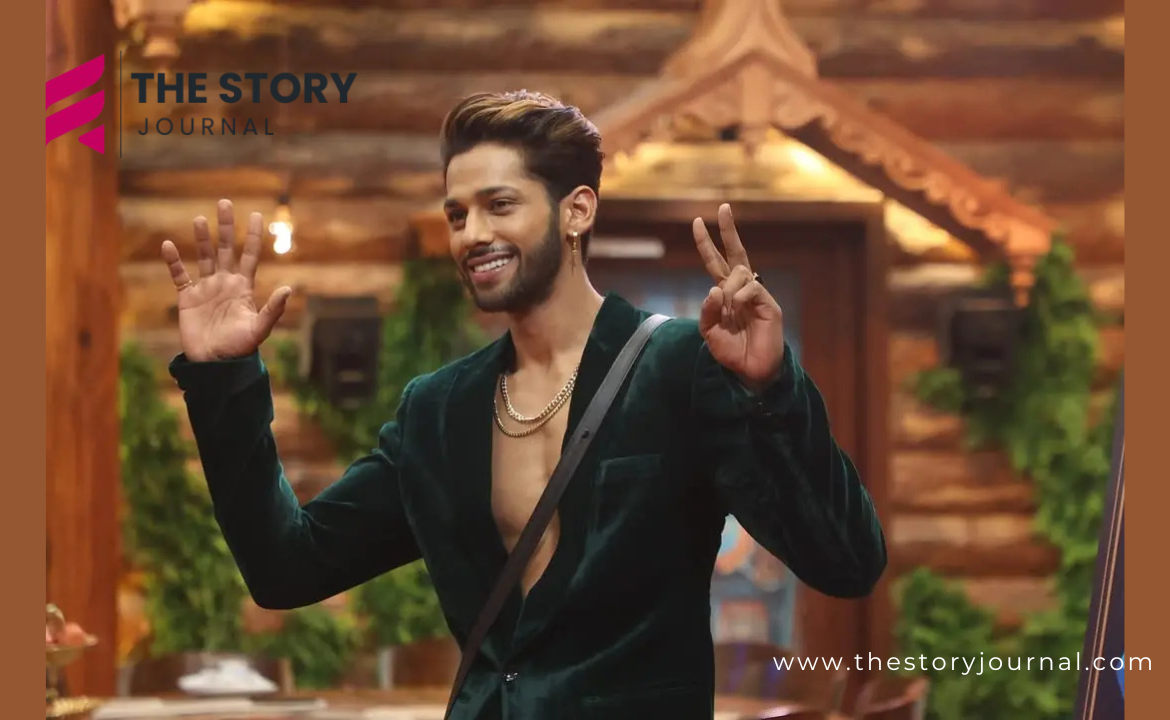
Baseer Ali Condemns Deepfakes and Family Attacks in Bigg Boss Fan Feuds
Source : Twitter
Reality television thrives on drama, rivalry, and emotional intensity—but in the digital age, that drama rarely ends when the cameras stop rolling. The recent controversy surrounding Bigg Boss once again highlights how online fan wars can spiral into something far more troubling than spirited debate. After his appearance on the 2025 season aired on Colors TV, Baseer Ali took to Twitter with a pointed message directed at his supporters: stop the deepfakes, stop the family attacks, and stop dragging loved ones into fan battles.
The statement came amid escalating tensions between his supporters—#TeamBaseer and #BaseerSquad—and fans of first runner-up Farrhana Bhatt, whose online collective, #FarrhanaRebellions, had reportedly exchanged edited videos, insults, and screenshots of morphed images. Particularly disturbing were claims that manipulated photos targeting the mothers of contestants like Hana and Tanya Mittal were circulated during the feud.
Ali’s message was clear, firm, and unambiguous. But the reaction to it was anything but simple.
The Rise of Post-Show Fan Warfare
“Bigg Boss fever” doesn’t end with the finale. If anything, the weeks following the conclusion often amplify rivalries that were only hinted at during the show. Social media becomes the new battleground, where edited clips, selective screenshots, and viral hashtags shape public narratives.
The 2025 season proved no exception. While the finale crowned its winner and celebrated finalists, supporters of various contestants quickly turned to online platforms to defend legacies, debate outcomes, and question fairness. For many fans, loyalty isn’t just admiration—it’s identity. Hashtags such as #TeamBaseer and #FarrhanaRebellions transformed from celebratory banners into factional flags.
The escalation reportedly began with typical post-show debates: who deserved the trophy, who played strategically, and who was “real.” But the tone shifted dramatically when edited videos and alleged deepfake clips surfaced, designed to embarrass or malign contestants. Soon after, screenshots of morphed images targeting family members began circulating.
Reality show contestants sign up for scrutiny. Their families do not.
Baseer Ali’s Twitter Plea: Drawing a Line
Against this backdrop, Ali’s Twitter statement resonated as both a call for restraint and a reflection of frustration.
In his message, he urged fans to respect families, avoid sharing deepfakes and morphed content, stop dragging loved ones into fan battles, and focus on positivity instead of revenge.
The tone struck many as measured and responsible. Rather than accusing rival fans alone, he addressed his own supporters directly. The use of hashtags like #TeamBaseer and #BaseerSquad made it clear he was speaking to his community first.
That choice mattered.
In fan culture, leaders rarely rebuke their own base publicly. Doing so risks backlash. Yet Ali’s statement suggested an awareness that silence could be interpreted as endorsement. By speaking out, he implicitly acknowledged that toxic behavior—no matter who initiates it—needs accountability.
The Deepfake Problem in Modern Fandom
The mention of “deepfake trash” wasn’t casual phrasing. Deepfake technology has become increasingly accessible, allowing users to manipulate faces and voices with alarming realism. In entertainment fandoms, this tool has been weaponized to humiliate rivals or create scandal.
What makes deepfakes particularly dangerous is their plausibility. Even when debunked, the damage often lingers. Screenshots travel faster than corrections. Algorithms reward outrage. And in the emotionally charged ecosystem of reality TV fandoms, misinformation spreads quickly.
Ali’s condemnation suggests a recognition that digital tools, when misused, can permanently harm reputations—not just of contestants, but of families and communities. His message implicitly challenged the idea that “it’s just a fan edit.” When manipulated media targets someone’s mother, it ceases to be harmless rivalry.
Families as Collateral Damage
Perhaps the most disturbing aspect of the feud was the alleged circulation of morphed images involving contestants’ mothers. Family members, especially parents, often appear briefly on reality shows in emotional segments meant to humanize contestants.
Instead, in toxic online environments, they become ammunition.
Targeting the mothers of Hana and Tanya Mittal reportedly crossed a moral boundary for many observers. Even fans engaged in heated debates expressed discomfort. The unwritten rule of reality television—that families remain off-limits—appeared shattered.
Ali’s statement can be seen as an attempt to restore that boundary.
Praise for Leadership and Grace
Supporters applauded Ali’s stance, describing it as mature and dignified. Many praised him for taking responsibility for the tone of his fandom, condemning unethical behavior without escalating hostilities, and setting an example for post-show conduct.
In a media environment often driven by ego and retaliation, choosing de-escalation can appear almost radical. Some fans argued that his message elevated him beyond petty rivalries, reinforcing his image as composed and principled.
For these supporters, the statement wasn’t damage control—it was leadership.
Critics Question Timing and Consistency
Not everyone was convinced.
Critics circulated screenshots alleging that members of Ali’s own fanbase had previously engaged in questionable behavior. Some asked why the condemnation came only after the feud intensified. Others suggested that such statements are easier to issue once public sentiment shifts against toxic content.
Timing, in the digital age, is scrutinized as heavily as content. When should a public figure intervene? At the first sign of hostility? After evidence goes viral? Or only when mainstream attention threatens reputational harm?
Skeptics framed Ali’s message as reactive rather than proactive. They argued that consistent moderation from day one might have prevented escalation.
Whether fair or not, these criticisms underscore the complex role contestants play in shaping fandom culture.
Bigg Boss and the Culture of Intensified Loyalty
Longtime viewers know that Bigg Boss fosters deep emotional investment. Confined living conditions, strategic alliances, betrayals, and public voting create a sense of participatory storytelling. Fans feel personally involved in outcomes.
This dynamic can blur lines between entertainment and personal allegiance. Contestants become avatars for values—authenticity, resilience, rebellion, loyalty. Supporting them feels like supporting those values.
When another fandom challenges that narrative, conflict becomes ideological. Add anonymity and virality, and disagreements escalate quickly.
The 2025 season’s online clashes may seem extreme, but they follow a pattern seen across reality TV franchises globally. What differs now is the sophistication of digital manipulation tools and the scale of amplification.
The Role of Hashtag Communities
Hashtags like #TeamBaseer and #FarrhanaRebellions function as digital gathering spaces. They coordinate voting efforts, share clips, and celebrate milestones. But they also amplify grievances.
Once an attack appears under a hashtag, it gains visibility within that community. Screenshots cross-posted into rival hashtags fuel retaliation. Each side perceives itself as defending honor.
Ali’s decision to address his supporters within their own hashtag ecosystem was strategic. It acknowledged the structure of fandom mobilization. Instead of issuing a vague public relations note, he spoke in the language of his digital community.
Accountability in the Age of Viral Screenshots
One complicating factor is the permanence of online behavior. Screenshots rarely disappear. Even deleted posts can resurface months later.
Critics pointing to alleged past missteps by Ali’s fans reflect this reality. Digital archives flatten time; everything feels simultaneous. A tweet from weeks ago can undermine today’s moral stance.
Public figures now operate under constant archival scrutiny. Consistency is not optional—it is expected.
Ali’s statement, therefore, exists within a broader conversation about accountability. Condemning deepfakes is necessary. But fostering sustained cultural change within a fandom requires ongoing reinforcement.
The Gendered Dimension of Attacks
Targeting mothers introduces a gendered dynamic worth examining. In many cultures, maternal figures carry symbolic weight. Attacking them isn’t merely personal—it’s culturally provocative.
By highlighting that families should not be dragged into feuds, Ali touched upon a deeply resonant principle. Respect for elders and parents remains a strong social norm. Violating it triggers moral outrage beyond fandom lines.
This may explain why the controversy gained traction beyond the immediate rival camps. When family boundaries are crossed, even neutral observers feel compelled to react.
Leadership Beyond the House
Reality TV contestants often struggle with the transition from participant to public personality. Inside the house, producers shape narratives. Outside, contestants must manage their own brand and community.
Ali’s message reflects an understanding that influence carries responsibility. Whether or not he can control every supporter, he can signal acceptable standards.
The question remains: how effective are such signals?
Research on online communities suggests that clear norms from recognized leaders can reduce extreme behavior, particularly when repeated consistently. However, enforcement remains decentralized. Without moderation mechanisms, cultural change relies heavily on peer accountability.
The Messy Legacy of Competitive Storytelling
Bigg Boss thrives on rivalry. Editors craft arcs of conflict and redemption. Fans choose sides. But the entertainment format does not always provide tools for post-show reconciliation.
Contestants may move on professionally, but fandom rivalries linger. Screenshots of heated house arguments become meme templates. Old grudges resurface during new seasons.
The 2025 season’s feud illustrates how competitive storytelling extends beyond its intended boundaries. What begins as narrative tension can morph into digital hostility if left unchecked.
Ali’s intervention, regardless of motivation, signals an attempt to draw a clearer distinction between on-screen drama and off-screen ethics.
Social Media Platforms and Responsibility
While much focus falls on contestants and fans, platforms also play a role. The circulation of deepfakes and morphed images raises questions about content moderation. Reporting tools exist, but enforcement speed varies.
Viral content often spreads before removal. By the time a deepfake is flagged, it may have reached thousands.
Public condemnations by high-profile figures can accelerate takedowns by drawing platform attention. Thus, Ali’s tweet may have served not only as moral guidance but as a practical measure to curb distribution.
Can Fan Wars Be Civil?
Is it realistic to expect entirely civil rivalries? Passion fuels engagement. Debate keeps shows trending. Producers benefit from buzz.
Yet there is a distinction between spirited disagreement and targeted harassment. Critiquing gameplay differs fundamentally from attacking families. Editing funny compilations differs from manufacturing humiliating deepfakes.
Civil fan culture requires shared norms. When leaders reinforce those norms, communities are more likely to internalize them.
Ali’s statement attempts to re-center the conversation on that distinction.
The Double-Edged Sword of Visibility
One unintended consequence of condemning toxic behavior is renewed attention to the very content being criticized. Discussions about deepfakes can inadvertently amplify curiosity.
However, silence carries its own risks. Without clear disapproval, observers may assume tacit acceptance.
Public figures walk a tightrope: speak too soon and risk inflaming tensions; speak too late and appear complicit. In this context, Ali chose visibility over ambiguity.
Lessons for Future Seasons
The controversy offers broader lessons for reality TV ecosystems. Proactive messaging from contestants could establish fan guidelines early. Joint statements from finalists might discourage factional hostility. Engaging directly with social media companies to address manipulated content could deter misuse. Media literacy campaigns could educate fans about deepfake detection and reduce impact.
If the 2025 season’s digital fallout prompts even modest reforms, it may have long-term positive effects.
The Human Cost Behind the Screens
Behind every hashtag is a person. Behind every edited photo is a family that did not consent to public scrutiny. Reality television may blur boundaries, but it does not erase humanity.
Ali’s message, stripped of politics and fandom rivalry, boils down to a simple plea: draw a line. Debate performances. Celebrate favorites. Criticize strategies. But leave families alone.
In an era where online cruelty can feel normalized, that reminder carries weight.
Conclusion: A Moment of Reckoning for Fandom Culture
The Bigg Boss 2025 fan feud underscores a broader cultural tension. Technology empowers creativity, but also manipulation. Passion fuels community, but also hostility. Visibility grants influence, but demands accountability.
Baseer Ali’s condemnation of deepfakes and family attacks represents more than a tweet—it reflects an attempt to recalibrate the moral compass of a digital fanbase. Whether motivated by genuine concern, reputational awareness, or both, the statement signals recognition that some lines should not be crossed.
Supporters view it as leadership. Critics question its timing. Both perspectives reveal the complexity of navigating post-reality-show fame in the social media era.
Ultimately, the responsibility for healthier fandom lies not only with contestants, but with every participant in the digital conversation. If fans can channel their passion into celebration rather than destruction, reality television might retain its drama without sacrificing dignity.
In the aftermath of this feud, one truth remains clear: entertainment should spark excitement—not collateral damage.