
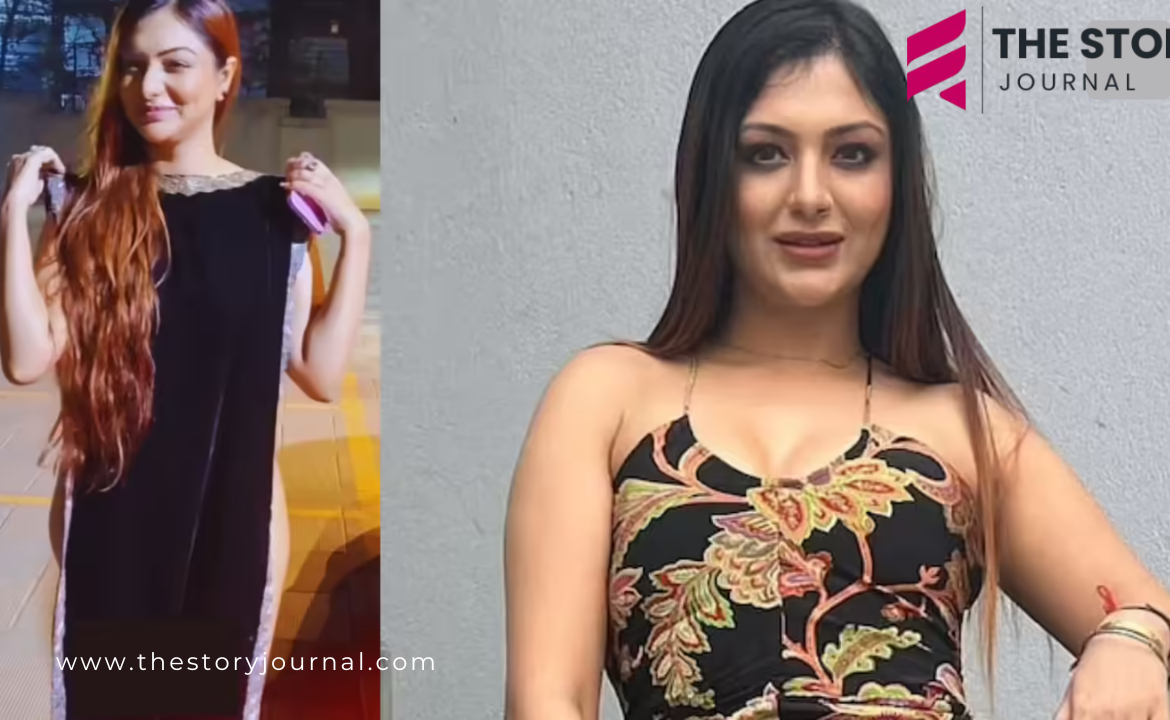
Khushi Mukherjee’s Statement Gown Divides the Internet
Source : Twitter
A Viral Fashion Moment Sparks Debate
Mumbai’s celebrity and fashion circuits are no strangers to bold style statements. But when actress and social media personality Khushi Mukherjee stepped out in a dramatic, skin-baring ensemble, the internet reaction was swift—and sharply divided.
A video shared on Twitter by Prabha Rawat on Friday captured Mukherjee wearing a floor-length gown that exposed her hips and sides, paired with a sheer flowing cape. Within hours, the clip spread across social media platforms, particularly on Twitter, now known as X, igniting intense debate.
What followed was not just commentary about a dress, but a broader cultural conversation about body positivity, fashion freedom, public decency, and the evolving definition of Indian glamour.
The Outfit That Started It All
According to the viral video, Mukherjee’s outfit featured a fitted, floor-length silhouette with strategically placed cut-outs that revealed the sides of her waist and hips. The design was complemented by a sheer cape that added drama and fluidity to her appearance.
The ensemble quickly became the focal point of online conversation. As screenshots and short clips circulated on Twitter, reactions poured in from users across the spectrum.
Some praised the boldness and confidence. Others condemned it as inappropriate or attention-seeking.
The virality of the moment was amplified by the platform’s algorithm, pushing the video into trending discussions and generating thousands of reposts, replies, and bookmarks.
Social Media Reactions: Praise and Backlash
The Twitter thread where the video first gained traction became a microcosm of a much larger cultural divide.
On one side were critics who roasted the outfit, calling it “vulgar” and making sarcastic remarks such as “semi-stitched dress.” A few users controversially linked the outfit to broader social concerns, making problematic comments tying fashion choices to rising crimes—a claim that lacks evidence and reflects a recurring pattern of victim-blaming rhetoric seen online.
On the other side were supporters who applauded Mukherjee’s confidence. Some users pointed out the irony that despite the loud backlash, the post had accumulated thousands of bookmarks—suggesting that outrage and fascination often coexist in viral moments.
Several commenters framed the discussion around body positivity, arguing that women should be free to dress as they choose without moral policing.
The split reactions highlighted how a single fashion choice can trigger layered debates about identity, culture, and personal autonomy.
The Role of Twitter in Amplifying Fashion Controversies
Twitter has become a primary platform where celebrity fashion moments are dissected in real time. What might once have been a fleeting red-carpet appearance now becomes a prolonged digital discussion.
In this case, Twitter acted as both amplifier and battleground. Within minutes of the video being shared, users began quote-posting with commentary ranging from humorous memes to serious cultural critiques.
Trending hashtags and algorithm-driven engagement meant the debate reached users far beyond Mukherjee’s immediate fanbase. News outlets quickly picked up the story, further extending its reach.
This cycle—viral clip, social media debate, media coverage—has become standard for celebrity fashion controversies.
Body Positivity vs. Cultural Expectations
One of the central themes in the discussion was the tension between body positivity and traditional expectations of modesty.
Supporters of Mukherjee argued that fashion is a form of self-expression. They emphasized that confidence and ownership of one’s body should not be policed or shamed. For them, the criticism reflected outdated standards applied disproportionately to women.
Critics, however, framed their objections in terms of cultural alignment. They argued that public figures have a responsibility to dress in ways that respect Indian values and social norms.
News coverage of the incident noted this clash, presenting it as part of an ongoing cultural negotiation within urban India—where global fashion influences intersect with local traditions.
Echoes of Past Controversies
This is not the first time Khushi Mukherjee’s wardrobe choices have sparked discussion. In previous public appearances, she has worn bold, skin-baring outfits that generated similar waves of online commentary.
These recurring controversies have contributed to her reputation as a celebrity unafraid to push boundaries. For some fans, that consistency signals authenticity and confidence. For critics, it reinforces their perception that the style choices are deliberately provocative.
The repetition of such debates suggests that society is still grappling with shifting norms around public display and celebrity branding.
The Psychology of Outrage and Engagement
One intriguing aspect of the Twitter reaction was the contrast between criticism and engagement metrics. While many comments condemned the outfit, the post’s high number of bookmarks indicated sustained interest.
This phenomenon reflects a broader digital trend: outrage often fuels visibility. Controversial content tends to attract more engagement, pushing it further into feeds and timelines.
In some cases, negative commentary can even amplify a celebrity’s visibility, strengthening personal branding through sheer volume of discussion.
The thousands of bookmarks mentioned by users suggest that curiosity and criticism can coexist, complicating simplistic narratives about public rejection.
Fashion as Performance and Identity
For celebrities, fashion is rarely accidental. Every appearance contributes to a public persona. In an industry driven by visibility, standing out can be a strategic move.
Mukherjee’s gown, with its dramatic cut-outs and sheer cape, certainly achieved visibility. Whether viewed as empowering or excessive, it commanded attention.
Fashion historians often note that provocative attire has long been part of celebrity culture worldwide. What changes is the speed and scale of reaction, shaped by digital platforms.
In Mumbai’s cosmopolitan environment, global fashion trends increasingly influence red-carpet aesthetics. Designers experiment with silhouettes that challenge traditional norms, blending Western runway styles with Indian sensibilities.
The debate around Mukherjee’s gown thus sits at the intersection of globalization and local identity.
Media Framing and Cultural Narratives
As news outlets reported on the viral video, many framed the story as a clash between modern body positivity movements and calls for mindful dressing aligned with Indian culture.
This framing reflects broader tensions in contemporary India, where urban youth culture often embraces globalized fashion trends while older generations emphasize cultural continuity.
Media narratives can shape how such controversies are perceived. By presenting the debate as symbolic of larger cultural shifts, coverage moves beyond the specifics of a single dress.
At the same time, critics caution against reducing complex social issues to viral fashion moments. Discussions about crime, safety, and cultural values deserve evidence-based analysis rather than being linked to individual clothing choices.
The Gendered Nature of Fashion Scrutiny
One recurring theme in Twitter discussions was the disproportionate scrutiny faced by women in public life.
Many supporters argued that male celebrities rarely face similar moral judgment over their clothing. The conversation thus expanded beyond Mukherjee to encompass gender double standards in media and public discourse.
Scholars of gender studies often highlight how women’s bodies become sites of cultural debate. Clothing becomes symbolic, carrying meanings that extend far beyond fabric and design.
In this context, Mukherjee’s gown became a canvas onto which broader anxieties about modernity, morality, and autonomy were projected.
Freedom of Expression vs. Social Responsibility
Another layer of the debate centered on the balance between individual freedom and perceived social responsibility.
Supporters emphasized constitutional rights to expression and personal choice. Critics argued that celebrities influence young audiences and therefore bear a degree of accountability.
These perspectives are not easily reconciled. They reflect fundamental differences in how individuals interpret the relationship between personal liberty and collective norms.
Twitter’s format, which encourages rapid-fire opinions, often intensifies such divisions rather than facilitating nuanced dialogue.
The Impact on Celebrity Branding
Controversies can shape a celebrity’s public image in complex ways. For some, backlash leads to reputational damage. For others, it strengthens their association with boldness and defiance.
Mukherjee’s response—whether direct or indirect—also plays a role in shaping perception. Public figures who embrace criticism confidently can reframe narratives in their favor.
The sheer volume of discussion ensures that the incident becomes part of her ongoing public story.
Cultural Evolution in Urban India
Mumbai, as India’s entertainment capital, often acts as a laboratory for evolving fashion norms. What sparks outrage today may become normalized tomorrow.
Over the past decade, red-carpet styles have grown increasingly experimental. Designers push boundaries, and celebrities test audience reactions.
The debate around Mukherjee’s gown reflects this transitional moment. Urban India is negotiating how globalized aesthetics align—or clash—with local expectations.
Twitter’s amplification accelerates this negotiation, turning individual appearances into national conversations.
The Power of Visual Media
Short videos and images carry immediate impact. Unlike written commentary, visual content triggers visceral reactions.
The viral clip shared by Prabha Rawat exemplifies how a few seconds of footage can ignite widespread debate. In a scroll-driven environment, striking visuals stand out, inviting both admiration and critique.
The speed of sharing leaves little time for context, encouraging snap judgments.
Beyond the Dress: A Reflection of Society
Ultimately, the controversy surrounding Khushi Mukherjee’s gown reveals as much about society as it does about the outfit itself.
The divided reactions reflect generational differences, gender dynamics, digital culture, and shifting definitions of empowerment.
Supporters see a woman confidently owning her style. Critics see a departure from traditional values. Both interpretations coexist in the digital public sphere.
Conclusion: A Viral Moment, A Continuing Conversation
Khushi Mukherjee’s revealing gown in Mumbai became more than a fashion statement—it became a catalyst for cultural debate. Amplified by Twitter discussions, the video sparked intense reactions ranging from praise to condemnation.
While some roasted the outfit with sarcasm and controversial commentary, others defended her autonomy and highlighted the contradiction between public criticism and private engagement metrics.
The episode underscores how celebrity fashion now operates within a digital ecosystem where every appearance can trigger nationwide discussion.
In the end, the gown may fade from headlines, but the questions it raised—about body positivity, cultural norms, gendered scrutiny, and digital outrage—will likely resurface with the next viral moment.
Because in today’s social media landscape, fashion is never just fashion. It is identity, performance, and public discourse woven together—and Twitter ensures the conversation continues long after the cameras stop rolling.