
Pediatric Eye Doctor: The Complete Guide to Protecting Your Child’s Vision
A child’s vision plays a vital role in how they learn, grow, and interact with the world. From recognizing letters in school to developing coordination on the playground, healthy eyesight is essential for every stage of childhood. Yet many vision problems in children go unnoticed because kids often don’t realize their vision isn’t normal. This is why regular visits to a pediatric eye doctor are so important.
A pediatric eye doctor specializes in eye care for infants, children, and teenagers. These specialists understand how young eyes develop and how vision problems can impact learning, behavior, and confidence. This guide explains what a pediatric eye doctor does, when your child should see one, common childhood eye problems, what to expect during an exam, and how to protect your child’s vision long-term.
Why Children’s Eye Health Is Important
Vision develops rapidly in early childhood. The eyes and brain work together to build clear sight, depth perception, and eye coordination. If a problem occurs during this critical development period, it can affect vision permanently. Undetected vision issues can lead to difficulties in reading, learning, and even social interactions.
Children with poor vision may appear distracted, uninterested in school, or clumsy during play. In many cases, the root cause is simply that they can’t see clearly. Early eye care helps prevent these challenges and supports healthy development.
What Is a Pediatric Eye Doctor?
A pediatric eye doctor is trained to diagnose and treat vision and eye health issues in children. This includes both pediatric optometrists and pediatric ophthalmologists. Pediatric optometrists focus on vision testing, prescribing glasses or contact lenses, and treating common eye conditions. Pediatric ophthalmologists are medical doctors who can perform surgery and manage complex eye diseases.
These professionals use child-friendly tools and techniques to make exams comfortable and engaging. Their experience allows them to detect subtle vision problems early, even in infants and toddlers who can’t explain what they see.
When Should Your Child See a Pediatric Eye Doctor?
Children should have routine eye exams even if they show no obvious signs of vision problems. Many issues develop gradually and may not be noticed by parents or teachers right away.
You should consider booking an eye exam if your child:
- Squints frequently
- Sits too close to screens or books
- Rubs their eyes often
- Complains of headaches
- Tilts their head when focusing
- Has trouble reading or concentrating
- Performs poorly in school without a clear reason
Regular eye checkups help catch problems early, when treatment is most effective.
Common Eye Problems in Children
Refractive errors are among the most common vision issues in kids. Nearsightedness makes distant objects blurry, farsightedness affects close-up vision, and astigmatism causes overall blurred vision. These problems are easily corrected with glasses or contact lenses.
Lazy eye, also known as amblyopia, occurs when one eye becomes weaker than the other. This can happen due to poor alignment or unequal prescriptions. Treatment often includes glasses, patching the stronger eye, or vision therapy.
Crossed eyes, or strabismus, happens when the eyes don’t align properly. This can interfere with depth perception and cause long-term vision problems if left untreated.
Eye infections and allergies are also common in children. A pediatric eye doctor can help manage recurring infections and provide relief from chronic irritation.
What to Expect During a Pediatric Eye Exam
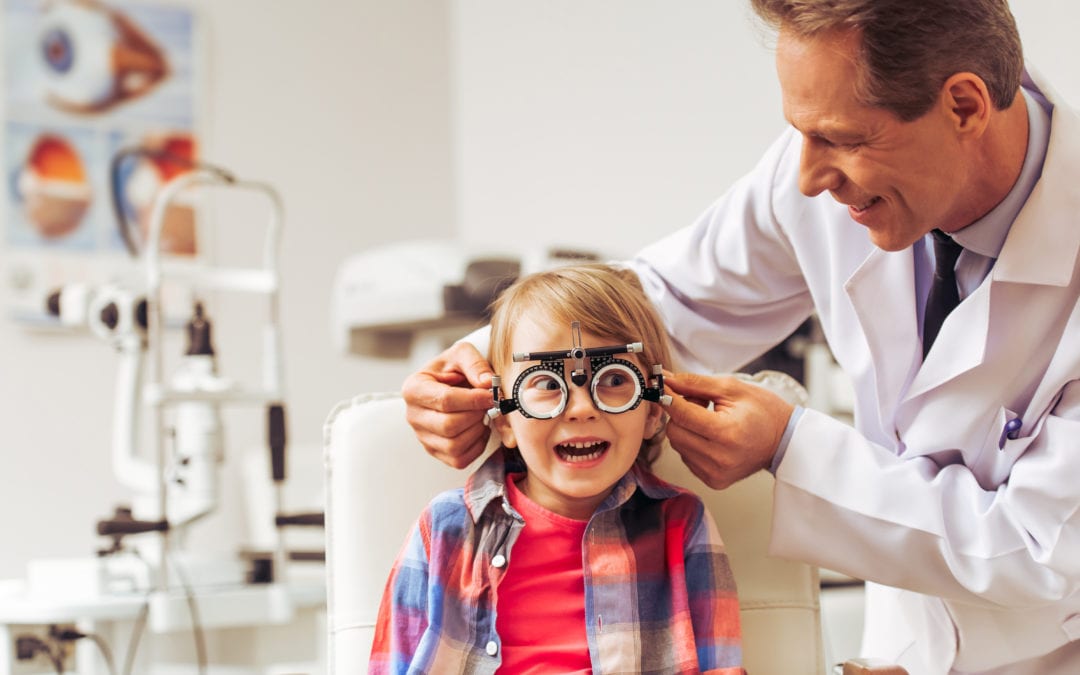
Pediatric eye exams are designed to be child-friendly and stress-free. The doctor may use pictures, shapes, or games instead of letter charts for younger children. Infants are assessed based on eye movement and visual response.
Older children may read charts, identify symbols, and follow objects with their eyes. The doctor may also use eye drops to dilate the pupils, allowing a detailed look inside the eyes. While dilation can cause temporary light sensitivity, it helps ensure a thorough exam.
Glasses and Contact Lenses for Children
If your child needs vision correction, the pediatric eye doctor will recommend the best option. Glasses are the most common solution and are available in durable, kid-friendly styles. A proper fit is important for comfort and effectiveness.
Older children and teenagers may be candidates for contact lenses. These can be useful for sports and active lifestyles but require responsibility and proper hygiene. Your pediatric eye doctor will guide you on whether contacts are appropriate for your child.
How Vision Affects Learning and Behavior
Vision problems can significantly affect a child’s academic performance. Children with poor vision may struggle to read the board, follow text, or complete homework. These challenges can be misinterpreted as attention or learning difficulties.
Correcting vision issues often leads to better focus, improved grades, and increased confidence in the classroom. Clear vision supports overall learning and emotional well-being.
Screen Time and Digital Eye Strain
Modern children spend a lot of time on screens. Prolonged screen use can cause eye strain, headaches, and dry eyes. Encourage regular breaks and outdoor activities to reduce strain.
A helpful habit is the 20-20-20 rule: every 20 minutes, look at something 20 feet away for 20 seconds. Your pediatric eye doctor can offer additional guidance on managing screen time safely.
Protecting Your Child’s Eyes Daily
Eye safety should be part of everyday life. Teach children not to rub their eyes with dirty hands and to wear protective eyewear during sports. Sunglasses with UV protection help protect young eyes from sun damage.
Encourage outdoor play, which supports overall health and may help slow the progression of nearsightedness. Creating safe play environments also reduces the risk of eye injuries.
Nutrition and Eye Health
A balanced diet supports healthy eyes. Foods rich in vitamins and antioxidants, such as leafy greens, carrots, fish, and fruits, contribute to good vision. While diet can’t correct vision problems, it supports overall eye health.
How Often Should Children Have Eye Exams?
Regular checkups are essential, even if your child already wears glasses. Children’s vision can change as they grow, and prescriptions may need updates. Your pediatric eye doctor will recommend how often your child should return based on their eye health.
Choosing the Right Pediatric Eye Doctor
Look for a provider with experience in pediatric care and a welcoming environment for children. A good pediatric eye doctor communicates clearly with both parents and kids, making visits comfortable and informative.
Helping Your Child Feel Comfortable
Prepare your child by explaining the visit in simple terms. Let them know the exam doesn’t hurt and that the doctor is there to help their eyes stay healthy. Bringing a favorite toy or book can make the visit more relaxing.
Long-Term Benefits of Pediatric Eye Care
Regular visits to a pediatric eye doctor set the foundation for lifelong eye health. Early detection and treatment prevent long-term vision problems and support healthy development. Clear vision helps children succeed in school, build confidence, and enjoy everyday life.
Protecting your child’s eyesight today helps ensure a brighter, clearer future tomorrow.