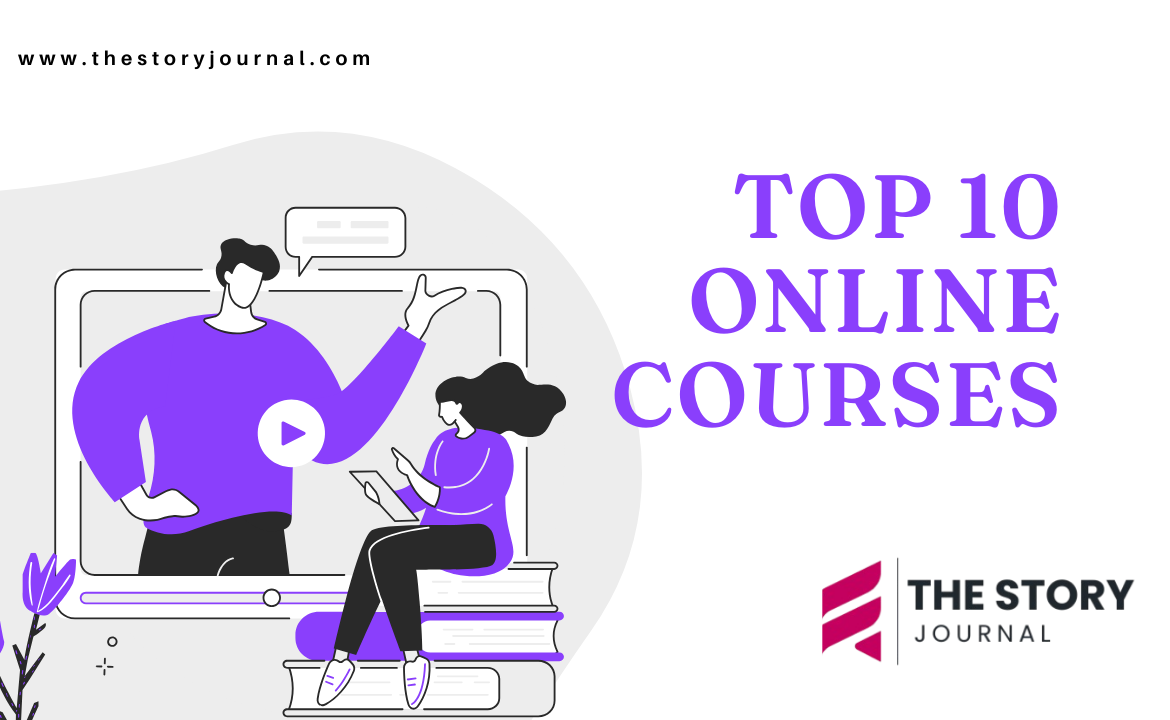
Top 10 Online Courses That Actually Get You Hired
The job market is changing fast. Traditional degrees still matter, but they’re no longer the only pathway to a successful career. Online courses have become a powerful way to learn in-demand skills, pivot into new industries, and stand out to employers. With the right course, you can gain practical experience, build a portfolio, and show hiring managers that you’re serious about professional growth.
This guide explores the idea behind the top online courses that actually get you hired. Rather than focusing on brand names, the goal is to understand what makes an online course valuable in the eyes of employers and how you can choose programs that lead to real-world opportunities.
Why Online Courses Can Lead to Real Jobs
Employers increasingly value skills over credentials alone. They want to see what you can do, not just what certificates you hold. High-quality online courses focus on practical, job-ready skills and real-world projects. These experiences help you build evidence of your abilities, which is often more convincing than a traditional resume.
Online learning also demonstrates initiative. Choosing to upskill on your own time signals motivation, adaptability, and a growth mindset. These traits are attractive to employers in fast-changing industries where continuous learning is essential.
What Makes an Online Course “Job-Ready”
Not all online courses are created equal. The courses that actually improve your chances of getting hired share a few key qualities. They focus on practical skills that are in demand. They include hands-on projects that simulate real work. They offer feedback, mentorship, or community support. And they align with current industry expectations.
Look for courses that help you build tangible outputs. Portfolios, case studies, and completed projects give employers something concrete to evaluate. Courses that connect learning to real-world application tend to have a stronger impact on your employability.
In-Demand Skill Areas That Lead to Jobs
Certain skill areas consistently show strong hiring demand. These include technology, digital marketing, data analysis, design, project management, and business operations. While trends shift over time, roles that combine technical ability with communication and problem-solving tend to be resilient.
Choosing a course in a growing field increases your chances of finding opportunities after completion. However, demand alone isn’t enough. Your personal interest and willingness to practice matter just as much. The best results come from aligning market demand with your genuine curiosity and long-term goals.
Building a Portfolio Through Online Learning
A strong portfolio is often more persuasive than a certificate. Employers want to see how you approach problems, structure solutions, and communicate results. Online courses that emphasize project-based learning help you build this portfolio naturally.
As you complete projects, treat them like real work. Document your process, explain your decisions, and reflect on what you learned. This level of detail shows depth of understanding and makes your portfolio more compelling during interviews.
Turning Course Projects Into Real-World Experience
One of the biggest advantages of online courses is the opportunity to simulate real-world work. You can take this further by adapting course projects into personal or volunteer initiatives. For example, you might apply what you learned to help a local business, nonprofit, or personal project.
This bridges the gap between learning and experience. It shows employers that you can apply your skills outside of a classroom environment. Real-world application builds confidence and provides stories you can share in interviews.
Learning How to Learn: A Skill Employers Value
The most valuable outcome of online learning isn’t just the skill itself. It’s learning how to learn. Employers value candidates who can adapt, pick up new tools, and stay current in their field. Completing online courses demonstrates that you can take initiative and navigate new information independently.
This mindset is especially important in industries where tools and best practices change frequently. Showing that you can continuously update your skills positions you as a long-term asset rather than a short-term hire.
Choosing Courses With Strong Industry Alignment
Courses designed in collaboration with industry professionals tend to be more relevant. They reflect current tools, workflows, and expectations. Look for programs that mention real-world use cases, industry scenarios, or partnerships with companies.
Reading reviews and alumni outcomes can also provide insight into whether a course has helped others land jobs. While results vary based on individual effort, patterns of positive outcomes can signal that a course is aligned with real hiring needs.
Balancing Depth and Breadth in Your Learning
It’s tempting to collect many certificates, but depth often matters more than quantity. Employers prefer candidates who have developed strong competence in a few relevant areas rather than surface-level knowledge in many. Choose courses that allow you to go deep into a skill and build meaningful projects.
That said, a balance of depth and breadth can be powerful. Core expertise combined with basic knowledge of related areas makes you more adaptable and collaborative in the workplace. For example, technical skills paired with communication or project management abilities create a well-rounded profile.
Networking Through Online Learning Communities
Many online courses offer access to communities of learners and instructors. These communities can become valuable networking spaces. Engaging in discussions, asking thoughtful questions, and sharing your progress can help you build relationships that extend beyond the course itself.
Sometimes opportunities come from peers who move into new roles or from mentors who notice your dedication. Treat online learning spaces as professional environments. The way you show up can influence how others perceive your potential.
Translating Online Learning Into Job Applications
Completing a course is just the first step. The way you present your learning to employers matters. Instead of listing courses on your resume without context, highlight the skills you gained and the projects you completed. Describe how these experiences prepared you to solve real problems.
In interviews, focus on what you learned and how you applied it. Share specific examples of challenges you faced and how you overcame them. This storytelling approach makes your learning experience feel relevant and authentic to hiring managers.
Avoiding Common Pitfalls in Online Learning
One common pitfall is taking courses passively. Watching videos without practicing leads to shallow understanding. To truly benefit, engage actively with the material. Take notes, complete exercises, and apply what you learn to real projects.
Another pitfall is starting too many courses at once and not finishing them. Completion matters. Finishing a course shows commitment and allows you to build a complete project or portfolio piece. Choose one or two high-quality courses and commit to seeing them through.
Creating a Learning Plan That Supports Your Career Goals
Random learning can be interesting, but intentional learning is more effective for career growth. Start by identifying your target role or industry. Then map the skills required and choose courses that address those gaps. This creates a clear learning path and makes your efforts more strategic.
Revisit your learning plan regularly. As you grow, your goals may change. Adjusting your learning path ensures that your efforts remain aligned with where you want to go professionally.
Measuring the Real Impact of Online Courses
The true measure of an online course’s value is how it changes your capabilities and opportunities. Did you gain confidence? Can you now complete tasks you couldn’t before? Are you more competitive in job applications?
Even if a course doesn’t lead to immediate employment, it can still be a valuable step forward. Skills compound over time. Each learning experience builds on the last, gradually expanding what you can offer in the job market.
Final Thoughts: Turning Learning Into Opportunity
The top online courses that actually get you hired are those that help you become capable, confident, and adaptable. They don’t guarantee a job, but they increase your readiness for opportunities. The real power of online learning lies in how you use it.
When you approach courses with intention, practice what you learn, and connect your new skills to real-world problems, you turn education into opportunity. In a changing job market, your ability to learn, adapt, and apply knowledge is one of your greatest assets.