
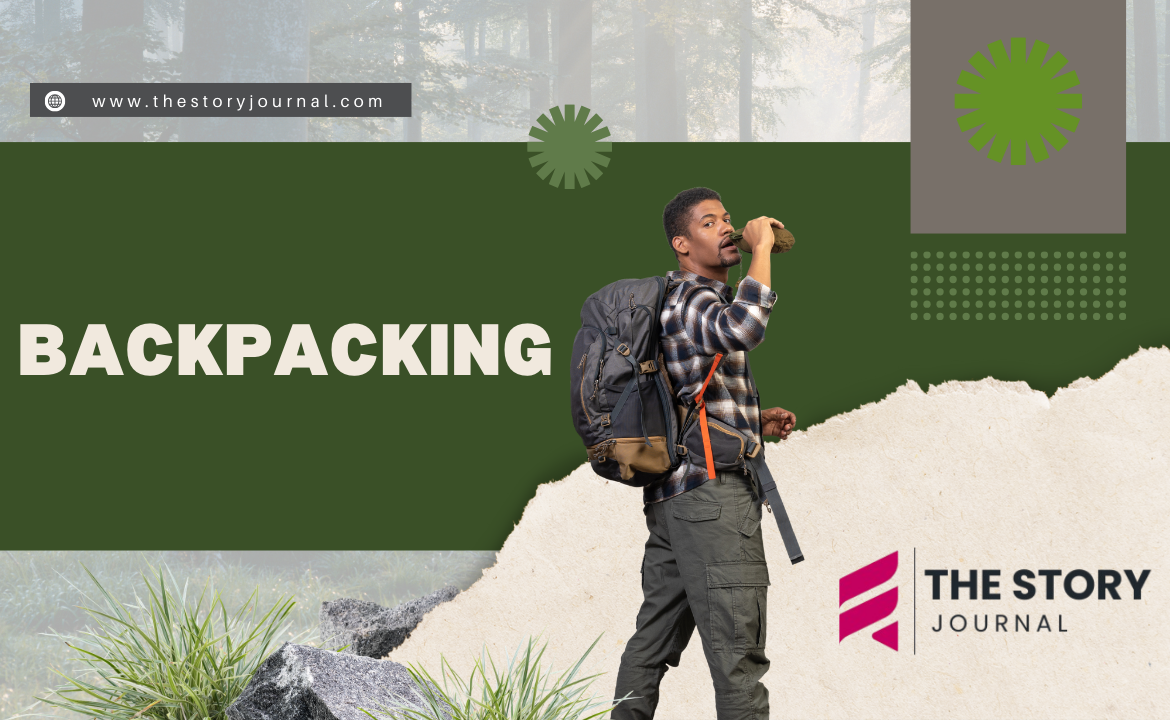
The Ultimate Guide to Backpacking in Europe
Backpacking through Europe is one of the most rewarding ways to experience the continent. With its compact geography, diverse cultures, and well-connected transport systems, Europe offers endless opportunities for adventure on a budget. Whether you’re wandering through medieval towns, hiking alpine trails, or sharing stories in hostel common rooms, backpacking allows you to experience Europe in a way that’s immersive, flexible, and deeply personal.
This guide is designed to help you plan and navigate a backpacking trip through Europe with confidence. From budgeting and route planning to accommodation, transport, safety, and cultural etiquette, you’ll find practical insights to make your journey smoother and more meaningful. Backpacking is not about rushing from landmark to landmark. It’s about embracing the journey, staying open to unexpected moments, and learning from the places and people you encounter.
Why Backpacking in Europe Is So Popular
Europe’s popularity among backpackers comes from its accessibility and variety. In a single trip, you can experience different languages, cuisines, landscapes, and histories without traveling long distances. Efficient public transportation networks make it easy to move between countries, while budget airlines and rail passes provide flexible options for different travel styles.
Europe also offers a well-established backpacking infrastructure. Hostels, budget accommodations, and social travel experiences are widely available. This makes it easier to meet fellow travelers, share tips, and build community on the road. For first-time backpackers, Europe can feel less intimidating because of its safety standards and reliable transportation systems.
Planning Your Backpacking Route
Route planning is one of the most exciting parts of preparing for a backpacking trip. Start by identifying what you’re most curious about. Are you drawn to historic cities, natural landscapes, food cultures, or coastal escapes? Europe’s diversity allows you to create a route that reflects your interests.
It’s tempting to pack too many destinations into a short time. Resist this urge. Slow travel allows you to connect more deeply with each place and reduces burnout. Instead of rushing through ten countries in two weeks, consider spending more time in fewer locations. This creates space for spontaneity and meaningful experiences.
Budgeting for Backpacking in Europe
Budgeting is a crucial part of backpacking. Costs vary widely between countries and cities. Western and Northern Europe tend to be more expensive, while Eastern and Southern Europe often offer more budget-friendly options. Planning a mix of destinations can help balance your budget.
Daily expenses typically include accommodation, food, transportation, activities, and occasional treats. Hostels, budget hotels, and shared accommodations can significantly reduce lodging costs. Cooking some of your meals or choosing local eateries helps stretch your budget further. Tracking your spending gives you a clearer sense of where you can adjust without sacrificing experience.
Choosing the Right Backpack and Packing Smart
Your backpack is your mobile home, so choosing the right one matters. A comfortable, well-fitted backpack reduces strain and makes long days of travel easier. Packing light is one of the best decisions you can make. Carrying only what you need increases your mobility and reduces stress.
Focus on versatile clothing that can be layered for different climates. Quick-drying fabrics and neutral colors allow for easy mixing and matching. Comfortable walking shoes are essential, as backpacking often involves long days on your feet. Packing light also makes it easier to navigate public transportation and crowded streets.
Navigating Transportation Across Europe
Europe’s transportation network is one of its greatest assets for backpackers. Trains connect major cities and scenic routes, offering a comfortable and often picturesque way to travel. Budget airlines can be useful for covering longer distances quickly, though baggage fees can add up.
Buses are another affordable option, particularly for shorter routes or budget-conscious travelers. Public transportation within cities is generally reliable and easy to use. Learning basic transit systems early in your trip builds confidence and independence as you move between destinations.
Finding Affordable Accommodation
Accommodation plays a major role in your travel budget and experience. Hostels are popular among backpackers for their affordability and social atmosphere. Many hostels offer communal kitchens, which can help reduce food costs. Staying in shared rooms is budget-friendly, while private rooms provide more privacy when needed.
Beyond hostels, budget hotels, guesthouses, and short-term rentals offer alternatives. Staying slightly outside city centers can reduce costs while still providing access via public transportation. Reading reviews and considering location, cleanliness, and safety helps ensure a comfortable stay.
Staying Safe While Backpacking
Europe is generally considered safe for travelers, but staying aware and prepared is still important. Keep your belongings secure, especially in crowded areas and public transportation. Using a money belt or secure bag can reduce the risk of theft.
Trust your instincts when navigating unfamiliar environments. If a situation feels uncomfortable, remove yourself. Staying connected with friends or family and having copies of important documents adds an extra layer of security. Being informed about local customs and potential scams helps you navigate new environments with confidence.
Eating Well on a Backpacker’s Budget
Food is one of the joys of traveling in Europe. From street food to local markets, there are many affordable ways to experience regional cuisine. Visiting local markets allows you to sample fresh produce, bread, and cheeses at lower prices than restaurants.
Cooking in hostel kitchens can significantly reduce costs while creating opportunities to connect with other travelers. Balancing budget meals with occasional dining out allows you to enjoy local flavors without overspending. Food becomes a cultural experience as well as a practical necessity.
Embracing Cultural Differences and Etiquette
Europe is culturally diverse, and small differences in etiquette can shape your experience. Learning a few basic phrases in the local language shows respect and often leads to warmer interactions. Understanding local customs around greetings, dining, and personal space helps you navigate social situations with ease.
Being open and respectful creates positive exchanges. Observing how locals interact and adapting your behavior accordingly helps you feel more integrated rather than like a temporary outsider. These small efforts deepen your connection to each place you visit.
Managing Your Energy and Avoiding Burnout
Backpacking can be physically and emotionally demanding. Constant movement, new environments, and social interactions can lead to fatigue. Building rest days into your itinerary helps you recharge. It’s okay to spend a day doing very little or to revisit a favorite café rather than rushing to the next attraction.
Listening to your body and mind helps you maintain balance. Slowing down allows you to enjoy moments more fully and prevents travel from becoming a checklist. Remember that rest is part of the journey, not a break from it.
Making the Most of Social Travel
One of the highlights of backpacking is meeting people from around the world. Hostels, group tours, and shared activities create opportunities for connection. Being open to conversation can lead to friendships, shared travel plans, and memorable experiences.
At the same time, it’s important to honor your need for solitude. You don’t have to socialize constantly to have a fulfilling trip. Finding a balance between connection and personal time helps you stay grounded and present.
Documenting Your Journey Mindfully
Many travelers document their journeys through photos, journals, or social media. While capturing memories is meaningful, it’s also important to stay present. Sometimes the most powerful moments are those you experience fully without a camera.
Reflecting on your experiences through writing or quiet observation deepens your understanding of what you’re learning from travel. These reflections become part of the transformation that backpacking often brings.
Final Thoughts: Backpacking as a Way of Seeing the World
Backpacking in Europe is more than a travel style. It’s a way of engaging with the world that emphasizes curiosity, adaptability, and connection. The challenges you navigate on the road build confidence and self-trust. The people you meet and places you explore broaden your perspective.
There is no single “right” way to backpack. Your journey will be shaped by your interests, pace, and values. By traveling with openness and respect, you create experiences that go beyond sightseeing. You return home not just with memories, but with a deeper understanding of yourself and the world around you.