
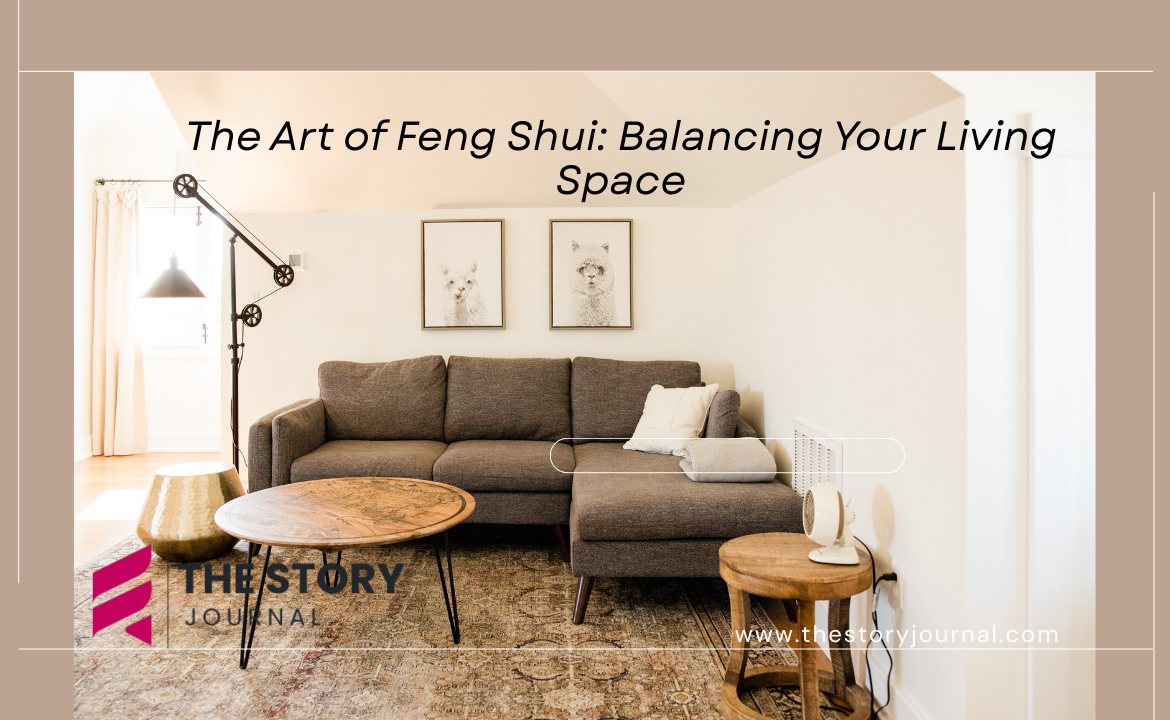
The Art of Feng Shui: Balancing Your Living Space
In a world filled with constant noise, clutter, and digital overload, many people are searching for ways to bring more peace, balance, and harmony into their daily lives. One ancient practice that continues to offer powerful guidance is Feng Shui. Rooted in thousands of years of Chinese philosophy, Feng Shui is more than interior design — it is the art of arranging your living space to support positive energy, well-being, and balance.
The Art of Feng Shui: Balancing Your Living Space is about creating an environment that works with you, not against you. Whether you live in a small apartment, a large house, or a shared space, Feng Shui principles can help you feel calmer, more focused, and more connected to your surroundings.
This blog explores the foundations of Feng Shui, its core principles, and practical ways to apply it to your home, room by room, to create a balanced and harmonious living space.
Understanding Feng Shui: What It Really Means
Feng Shui translates roughly to “wind and water,” symbolizing the flow of natural forces. At its core, Feng Shui focuses on how energy, known as Chi (or Qi), moves through a space. When Chi flows smoothly, it supports health, happiness, and prosperity. When it becomes blocked or stagnant, it can contribute to stress, fatigue, and imbalance.
Feng Shui is not about superstition or rigid rules. Instead, it is a thoughtful system that blends nature, environment, and human behavior. The goal is to align your living space with natural energy patterns so that your home feels supportive and nurturing.
Why Feng Shui Matters in Modern Living
Modern homes are often designed for efficiency rather than energy flow. Tight spaces, artificial lighting, clutter, and constant technology use can disrupt balance. Feng Shui offers a way to counteract these challenges by encouraging mindfulness in how we organize and use our space.
Benefits of practicing Feng Shui include improved mental clarity and focus, reduced stress and anxiety, better sleep quality, enhanced relationships, and an increased sense of comfort and belonging. By applying Feng Shui principles, your home becomes a place of restoration rather than exhaustion.
The Core Principles of Feng Shui
To understand the art of Feng Shui: balancing your living space, it’s essential to know its foundational concepts.
Chi: The Life Force Energy
Chi is the invisible energy that flows through everything. In a home, Chi moves through doors, hallways, and open spaces. Furniture placement, lighting, and cleanliness all influence how smoothly Chi circulates.
Yin and Yang
Yin and Yang represent opposite but complementary energies. Yin is soft, calm, and passive, while Yang is active, bright, and energetic. A balanced home contains both. Bedrooms typically benefit from more Yin energy, while living rooms and kitchens thrive with Yang energy.
The Five Elements
Feng Shui incorporates five natural elements: Wood, Fire, Earth, Metal, and Water. A harmonious space includes all five elements in balanced proportions through colors, materials, and shapes.
The Bagua Map: A Feng Shui Blueprint
One of the most important tools in Feng Shui is the Bagua map. This energy map divides your living space into nine areas, each representing a different aspect of life, such as wealth, health, relationships, and career.
By overlaying the Bagua map onto your home’s floor plan, you can identify which areas influence specific parts of your life and adjust them accordingly. For example, the wealth area benefits from plants and symbols of abundance, while the relationship area thrives with warm colors and pairs.
Decluttering: The Foundation of Feng Shui
Before adding elements or rearranging furniture, decluttering is essential. Clutter blocks Chi and creates stagnant energy. It also affects mental clarity, often leading to feelings of overwhelm.
Practical decluttering includes removing unused items, keeping surfaces clear, fixing broken objects, and organizing storage spaces. Decluttering creates room for new energy and opportunities.
Feng Shui for the Entrance and Front Door
The front door is known as the “mouth of Chi,” where energy enters your home. A welcoming entrance sets the tone for the entire space.
Keep the area well-lit, clutter-free, and inviting. Make sure the door opens fully, repair any damage, and consider adding a plant or decorative element that feels welcoming.
Feng Shui in the Living Room
The living room represents connection, comfort, and social energy. Furniture should be arranged to encourage conversation and openness. Avoid blocking pathways and balance soft and bright elements.
Natural light, comfortable seating, and thoughtful décor help create a harmonious living room atmosphere.
Feng Shui for the Bedroom
The bedroom directly affects rest and emotional well-being. Place the bed in a commanding position where it has a clear view of the door without being directly in line with it. Use calming colors, soft lighting, and minimal electronics.
A balanced bedroom promotes deep rest and relaxation.
Feng Shui in the Kitchen
The kitchen symbolizes nourishment and abundance. Keep appliances clean, balance fire and water elements, and avoid cluttered countertops. A well-maintained kitchen supports health and prosperity.
Feng Shui for the Bathroom
Bathrooms can drain energy if neglected. Keep them clean, well-ventilated, and organized. Use earth tones and natural materials to maintain balance.
Using Colors in Feng Shui
Colors influence mood and energy. Green represents growth, blue encourages calm, red stimulates passion, yellow brings warmth, and white promotes clarity. Choose colors based on the purpose of each room.
Bringing Nature Into Your Space
Natural elements strengthen Feng Shui energy. Plants, natural light, fresh air, wood, and stone help create a grounded and vibrant living environment.
Common Feng Shui Mistakes
Avoid overcrowding rooms, blocking energy pathways, ignoring repairs, and overdecorating. Feng Shui works best when simplicity and balance are maintained.
Feng Shui as a Lifestyle Practice
Feng Shui is not a one-time task but an ongoing practice. Small, intentional changes can have a lasting impact on how your home feels and functions. Adapt the principles to suit your lifestyle and personal needs.
Final Thoughts
Feng Shui is about harmony, not perfection. When your living space supports positive energy flow, it can improve your well-being, focus, and peace of mind.
By embracing The Art of Feng Shui: Balancing Your Living Space, you transform your home into a sanctuary — a place where energy flows freely and life feels more aligned.