
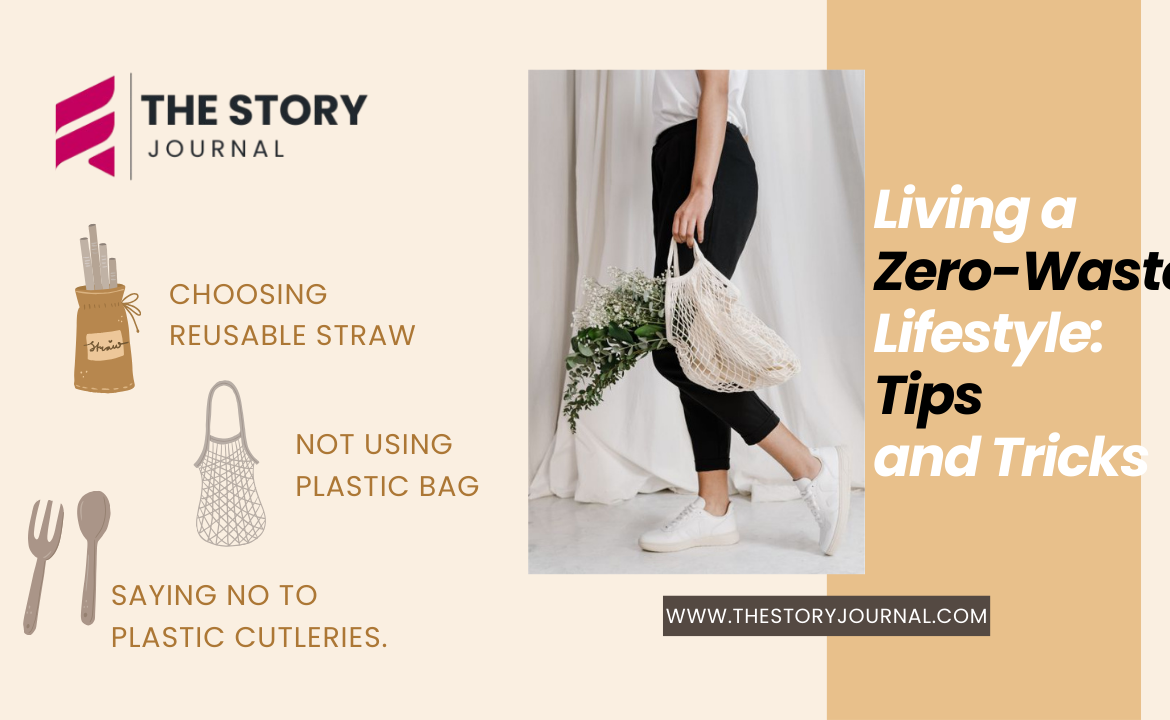
Living a Zero-Waste Lifestyle: Tips and Tricks
The modern world thrives on convenience, but that convenience often comes at a cost to the environment. Single-use plastics, excessive packaging, fast fashion, and food waste have become deeply embedded in daily life. As landfills overflow and natural resources are depleted, many people are rethinking their habits and searching for more sustainable ways to live. This shift has given rise to a powerful movement focused on reducing waste at its source. Living a Zero-Waste Lifestyle: Tips and Tricks is not about perfection, but about making mindful choices that minimize environmental impact and promote long-term sustainability.
A zero-waste lifestyle encourages individuals to rethink consumption, reduce unnecessary purchases, reuse items creatively, and recycle responsibly. It emphasizes quality over quantity, mindfulness over convenience, and long-term impact over short-term ease. While the idea of “zero waste” may sound overwhelming, it is best understood as a journey rather than a destination.
This blog explores the principles of zero-waste living, practical tips for everyday life, and realistic strategies to help individuals reduce waste without sacrificing comfort or joy.
Understanding the Zero-Waste Lifestyle
A zero-waste lifestyle aims to send as little waste as possible to landfills and incinerators. The concept is built around a circular system where resources are reused, repaired, composted, or recycled instead of discarded. At its core, zero waste challenges the traditional linear model of “take, make, dispose.”
The philosophy is often summarized by the five Rs: Refuse, Reduce, Reuse, Recycle, and Rot. Refusing unnecessary items such as single-use plastics is the first step. Reducing consumption minimizes waste before it exists. Reusing items extends their life, recycling ensures materials are processed responsibly, and composting organic waste returns nutrients to the earth.
Living a zero-waste lifestyle is as much about mindset as it is about action. It requires awareness of habits and a willingness to make gradual changes.
Why Zero-Waste Living Matters
The environmental benefits of zero-waste living are significant. Waste contributes to pollution, greenhouse gas emissions, and habitat destruction. Plastic waste, in particular, poses a serious threat to marine life and ecosystems.
Beyond environmental impact, zero-waste living also supports social and economic sustainability. It encourages ethical consumption, supports local businesses, and reduces reliance on mass-produced goods. Many people find that living with less waste leads to a simpler, more intentional lifestyle that prioritizes well-being over excess.
By adopting zero-waste practices, individuals become active participants in environmental stewardship rather than passive consumers.
Getting Started with a Zero-Waste Mindset
The transition to a zero-waste lifestyle begins with observation. Understanding where waste comes from in daily life helps identify areas for improvement. Common sources include food packaging, disposable household items, personal care products, and clothing.
Instead of attempting to eliminate all waste at once, focusing on small, manageable changes is more sustainable. Replacing single-use items with reusable alternatives and being mindful of purchases can significantly reduce waste over time.
Adopting a zero-waste mindset also involves letting go of perfection. Progress, not flawlessness, is the goal.
Reducing Waste in the Kitchen
The kitchen is often the largest source of household waste, making it an ideal place to begin zero-waste living. Food packaging, leftovers, and disposable products contribute significantly to daily waste.
One effective strategy is meal planning. Planning meals reduces food waste by ensuring that ingredients are used efficiently. Buying only what is needed and storing food properly helps extend freshness.
Choosing unpackaged or minimally packaged foods also reduces waste. Shopping at local markets or bulk stores allows consumers to bring their own containers and avoid single-use packaging. Reusable produce bags, glass jars, and cloth sacks are practical tools for waste-free shopping.
Composting organic waste is another essential practice. Food scraps such as fruit peels, vegetable trimmings, and coffee grounds can be composted and returned to the soil, reducing landfill waste and enriching the environment.
Zero-Waste Grocery Shopping Tips
Grocery shopping is a major opportunity to reduce waste. Bringing reusable bags, containers, and jars helps avoid plastic packaging. Buying in bulk minimizes waste and often saves money.
Choosing products with recyclable or compostable packaging is another helpful step. Supporting brands that prioritize sustainability encourages responsible business practices.
Reading labels and being mindful of portion sizes also reduces waste. Avoiding impulse purchases prevents unused items from ending up in the trash.
Sustainable Personal Care and Beauty
The personal care industry generates significant waste through plastic packaging and disposable products. Transitioning to zero-waste alternatives can greatly reduce environmental impact.
Simple changes include using bar soap instead of liquid soap, switching to shampoo bars, and choosing refillable or reusable containers. Reusable cotton pads, safety razors, and bamboo toothbrushes are durable alternatives to disposable items.
When selecting personal care products, choosing items with natural ingredients and minimal packaging supports both environmental and personal health.
Zero-Waste Cleaning and Household Practices
Household cleaning products often come in plastic bottles and contain harsh chemicals. Zero-waste cleaning focuses on natural, reusable, and refillable solutions.
Making cleaning products at home using ingredients such as vinegar, baking soda, and lemon reduces packaging waste and chemical exposure. Refillable cleaning concentrates are another convenient option.
Replacing disposable paper towels with reusable cloths and using washable mop heads further minimizes waste. These changes are cost-effective and long-lasting.
Sustainable Fashion and Zero-Waste Clothing Choices
Fashion plays a major role in waste production. Fast fashion encourages overconsumption and contributes to textile waste. Zero-waste living promotes mindful clothing choices.
Buying fewer, higher-quality items reduces waste and supports ethical production. Thrifting, swapping clothes, and repairing garments extend their lifespan and reduce the demand for new production.
Learning basic sewing and mending skills empowers individuals to maintain their wardrobe rather than discard items. Choosing natural fibers also makes clothing easier to recycle or compost at the end of its life.
Reducing Waste at Work and On the Go
Zero-waste practices can be applied beyond the home. Bringing reusable water bottles, coffee cups, and lunch containers reduces waste while commuting or traveling.
At work, choosing digital documents over paper, reusing office supplies, and encouraging recycling initiatives contribute to waste reduction. Packing lunches in reusable containers avoids disposable packaging and saves money.
Traveling with a zero-waste mindset involves planning ahead, carrying reusable essentials, and choosing accommodations that support sustainability.
Teaching Zero-Waste Habits to Families and Communities
Zero-waste living becomes more impactful when shared. Teaching children about waste reduction fosters environmental awareness from an early age. Involving family members in composting, recycling, and mindful shopping makes sustainability a shared responsibility.
Community involvement also plays a role. Supporting local zero-waste shops, participating in clean-up events, and advocating for sustainable policies amplify individual efforts.
Collective action strengthens the zero-waste movement and drives systemic change.
Overcoming Common Challenges
Living a zero-waste lifestyle comes with challenges. Access to bulk stores, sustainable products, or composting facilities may be limited in some areas. Time constraints and budget concerns can also present obstacles.
Flexibility and creativity are key to overcoming these challenges. Doing the best with available resources and making gradual improvements ensures long-term success.
It is important to recognize that zero waste looks different for everyone. The goal is to reduce waste as much as reasonably possible, not to achieve perfection.
Financial Benefits of Zero-Waste Living
While some zero-waste products may have higher upfront costs, they often save money over time. Reusable items replace disposable purchases, and mindful consumption reduces unnecessary spending.
Meal planning, bulk shopping, and repairing items contribute to financial savings. Many people find that living with less waste also leads to a more intentional and budget-conscious lifestyle.
Zero-waste living proves that sustainability and affordability can coexist.
Mental and Emotional Benefits
Beyond environmental and financial advantages, zero-waste living offers mental and emotional benefits. Simplifying consumption reduces decision fatigue and promotes mindfulness.
Living in alignment with personal values fosters a sense of purpose and satisfaction. Many individuals report feeling more connected to their environment and community through sustainable practices.
This holistic impact makes zero-waste living a lifestyle choice rather than a set of rules.
The Future of Zero-Waste Living
As awareness grows, zero-waste living is becoming more mainstream. Governments, businesses, and communities are increasingly adopting sustainable practices. Innovations in packaging, recycling, and product design are making waste reduction more accessible.
Technology and education will continue to support the zero-waste movement. However, individual action remains a powerful force for change.
Living a Zero-Waste Lifestyle: Tips and Tricks reflects a broader shift toward responsible living and environmental stewardship.
Conclusion
Living a Zero-Waste Lifestyle: Tips and Tricks is about making conscious choices that reduce environmental impact while enhancing quality of life. By refusing unnecessary waste, reusing what we have, and rethinking consumption, individuals can contribute to a more sustainable future.
Zero-waste living is not about deprivation or perfection. It is about progress, creativity, and intention. Every small step matters, and collective efforts create meaningful change. By embracing zero-waste principles, individuals help protect the planet for future generations while cultivating a simpler, more mindful way of life.