
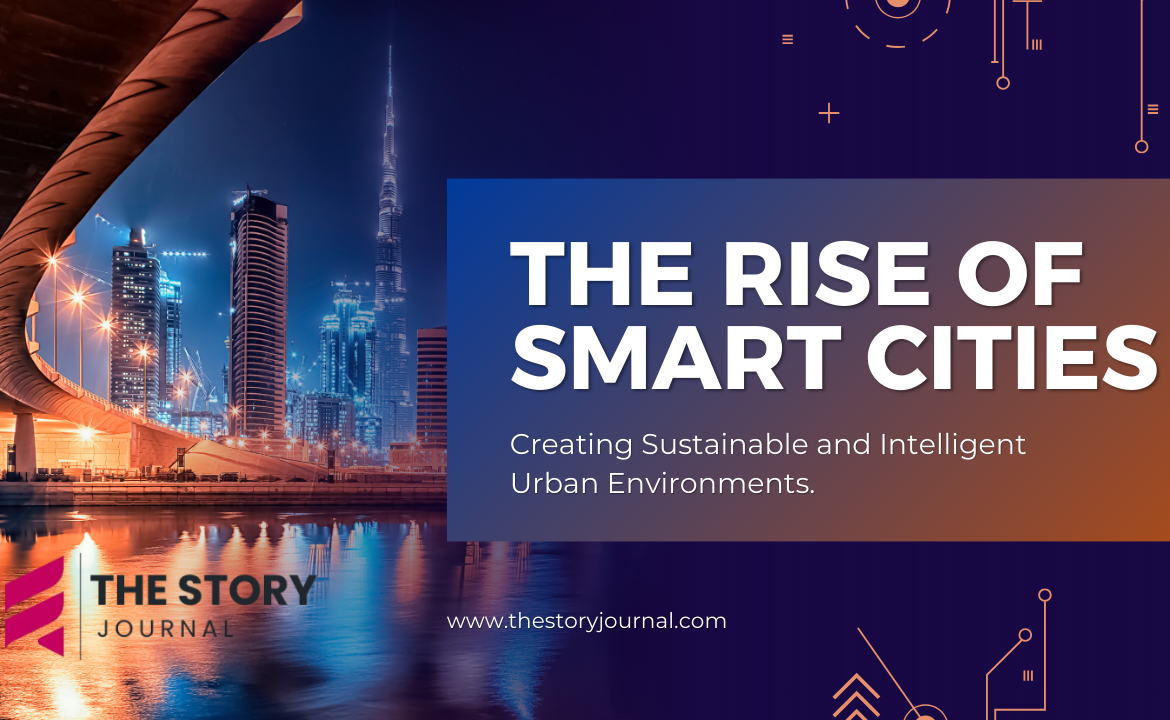
The Rise of Smart Cities
Introduction
The Rise of Smart Cities represents one of the most transformative trends shaping the future of urban living. As global populations continue to migrate toward cities, urban areas face mounting challenges related to congestion, energy consumption, environmental sustainability, housing shortages, and public safety. Traditional city infrastructures are often ill-equipped to handle these pressures, prompting governments and planners to seek innovative solutions. Smart cities have emerged as a powerful response, leveraging technology, data, and connectivity to improve quality of life, enhance efficiency, and promote sustainable development.
Smart cities integrate digital technologies such as the Internet of Things (IoT), artificial intelligence (AI), big data analytics, and cloud computing into urban systems. These technologies enable cities to collect, analyze, and act on data in real time, optimizing services such as transportation, energy distribution, waste management, healthcare, and governance. The concept goes beyond technology alone; it also emphasizes citizen engagement, inclusive growth, and environmental responsibility.
This blog explores The Rise of Smart Cities by examining their origins, key components, benefits, challenges, real-world applications, and future prospects. It highlights how smart cities are reshaping urban life and redefining how cities function in the 21st century.
Understanding Smart Cities
To fully grasp The Rise of Smart Cities, it is important to understand what defines a smart city. A smart city uses digital technologies and data-driven approaches to enhance the performance of urban services while improving the well-being of its residents. The goal is not simply automation, but intelligent decision-making that leads to more efficient, sustainable, and inclusive cities.
Smart cities rely on interconnected systems that share information across departments and services. Sensors embedded in roads, buildings, and utilities collect data that helps city officials monitor traffic flow, energy usage, air quality, and public safety. This data is then analyzed to inform policies, optimize operations, and anticipate future needs.
At the heart of smart cities is the integration of technology with human-centered design. Successful smart cities focus on solving real problems faced by citizens, rather than implementing technology for its own sake.
The Driving Forces Behind the Rise of Smart Cities
Rapid Urbanization
One of the primary drivers behind The Rise of Smart Cities is rapid urbanization. According to global trends, more than half of the world’s population now lives in urban areas, a figure expected to increase significantly in the coming decades. This rapid growth places immense pressure on housing, transportation, utilities, and public services.
Smart city technologies help cities manage this growth by improving resource allocation, reducing inefficiencies, and supporting long-term urban planning.
Technological Advancements
Advances in digital technology have made smart cities feasible and scalable. The widespread availability of high-speed internet, affordable sensors, cloud computing, and mobile devices enables cities to collect and process vast amounts of data in real time.
Artificial intelligence and machine learning further enhance the ability of cities to predict trends, optimize services, and respond proactively to challenges.
Sustainability and Climate Concerns
Environmental sustainability is a major motivation behind The Rise of Smart Cities. Urban areas are significant contributors to greenhouse gas emissions and energy consumption. Smart technologies enable cities to reduce their environmental footprint through efficient energy management, smart grids, renewable energy integration, and intelligent transportation systems.
By promoting sustainable practices, smart cities play a crucial role in addressing climate change.
Key Components of Smart Cities
Smart Infrastructure
Smart infrastructure forms the backbone of smart cities. This includes intelligent transportation systems, smart grids, connected buildings, and advanced communication networks. Sensors and automation technologies enable infrastructure to adapt to changing conditions and operate more efficiently.
For example, smart traffic lights can adjust signal timing based on real-time traffic conditions, reducing congestion and emissions.
Smart Governance
Smart governance uses digital platforms to improve transparency, efficiency, and citizen engagement. Online portals, mobile applications, and open data initiatives allow residents to access services, report issues, and participate in decision-making.
This approach strengthens trust between citizens and local governments, reinforcing the importance of inclusivity in The Rise of Smart Cities.
Smart Mobility
Transportation is a critical focus of smart city initiatives. Smart mobility solutions include intelligent traffic management, public transit optimization, electric vehicle infrastructure, and shared mobility services.
These systems reduce travel time, lower emissions, and improve accessibility for all residents.
Smart Energy and Environment
Energy management is central to smart city development. Smart grids monitor energy demand and supply, enabling efficient distribution and integration of renewable energy sources.
Environmental monitoring systems track air and water quality, helping cities identify pollution sources and implement corrective measures.
Benefits of Smart Cities
Improved Quality of Life
One of the most significant benefits of The Rise of Smart Cities is the improvement in quality of life for residents. Efficient transportation, cleaner environments, reliable utilities, and responsive public services contribute to healthier and more livable cities.
Smart healthcare systems, for example, enable remote monitoring and faster emergency response, improving health outcomes.
Economic Growth and Innovation
Smart cities attract investment, talent, and innovation. By fostering digital infrastructure and data-driven decision-making, cities create environments conducive to entrepreneurship and economic growth.
Job creation in technology, data analysis, and urban planning sectors further strengthens local economies.
Enhanced Efficiency and Cost Savings
Smart technologies help cities optimize operations and reduce costs. Automated systems minimize waste, improve maintenance, and extend the lifespan of infrastructure.
These efficiencies allow governments to allocate resources more effectively, delivering better services with limited budgets.
Social Inclusion and Citizen Engagement
Empowering Citizens Through Technology
The Rise of Smart Cities emphasizes citizen-centric design. Digital platforms empower residents to engage with city services, provide feedback, and participate in governance.
Inclusive smart city initiatives ensure that technology benefits all segments of society, including vulnerable and marginalized communities.
Bridging the Digital Divide
While technology offers many advantages, smart cities must address the digital divide to ensure equitable access. Investments in digital literacy, affordable connectivity, and inclusive design are essential for maximizing the social benefits of smart cities.
Challenges Facing Smart Cities
Data Privacy and Security
One of the most significant challenges associated with The Rise of Smart Cities is data privacy and security. Smart cities collect vast amounts of personal and operational data, raising concerns about surveillance, misuse, and cyberattacks.
Robust data protection policies, transparent governance, and strong cybersecurity measures are essential to maintaining public trust.
High Implementation Costs
Developing smart city infrastructure requires substantial investment. Many cities face budget constraints that limit their ability to adopt advanced technologies.
Public-private partnerships and phased implementation strategies can help address these financial challenges.
Interoperability and Integration
Smart cities rely on multiple technologies and systems that must work together seamlessly. Lack of standardization and interoperability can hinder effectiveness.
Addressing these technical challenges is critical to the long-term success of smart city initiatives.
Real-World Examples of Smart Cities
Global Leaders in Smart City Development
Cities around the world are embracing smart city concepts. Some have implemented advanced transportation systems, while others focus on sustainability, governance, or digital services.
These examples demonstrate the diverse approaches cities can take in adopting smart technologies.
Lessons Learned
Successful smart city projects emphasize collaboration, citizen engagement, and adaptability. Learning from both successes and failures helps cities refine their strategies and maximize impact.
The Future of Smart Cities
Emerging Technologies
The future of smart cities will be shaped by emerging technologies such as 5G connectivity, advanced AI, blockchain, and digital twins. These innovations will further enhance real-time monitoring, predictive analysis, and system integration.
Resilient and Adaptive Cities
As cities face increasing risks from climate change, pandemics, and economic disruptions, smart technologies will play a vital role in building resilience. Adaptive systems enable cities to respond quickly to crises and recover more effectively.
Human-Centered Urban Design
The next phase of The Rise of Smart Cities will place greater emphasis on human-centered design. Technology will support, rather than replace, human decision-making, ensuring cities remain inclusive, livable, and culturally vibrant.
Conclusion
The Rise of Smart Cities marks a significant shift in how urban environments are designed, managed, and experienced. By integrating technology, data, and innovative governance, smart cities offer solutions to some of the most pressing challenges facing modern urban life. They improve efficiency, promote sustainability, and enhance the quality of life for millions of people.
However, the success of smart cities depends on thoughtful implementation, strong governance, and a commitment to inclusivity and ethical data use. Technology alone cannot solve urban problems; it must be guided by human values and long-term vision.