
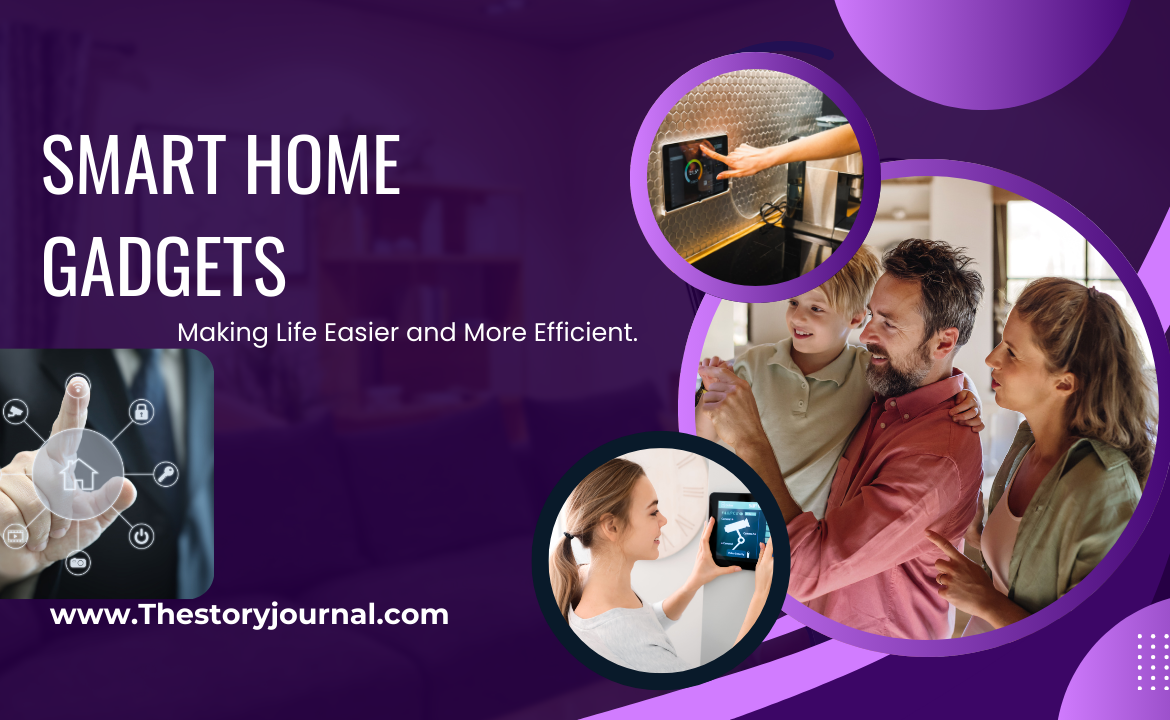
Best Smart Home Devices 2026: Transform Your Living Space with Technology
The concept of a smart home has evolved rapidly over the past few years. By 2026, the integration of technology into our homes is no longer a luxury—it is becoming a standard for convenience, security, and efficiency. From voice-controlled assistants to energy-efficient smart thermostats, smart home devices are transforming the way we live, work, and interact with our environment.
This guide explores the best smart home devices 2026, detailing their features, benefits, and practical use cases. Whether you are a tech enthusiast, a homeowner seeking convenience, or someone looking to upgrade your home, this guide will provide everything you need to know about building a connected, intelligent home ecosystem.
Why Smart Home Devices Are Essential in 2026
Smart home devices are more than just futuristic gadgets—they are practical tools that enhance our lifestyle. Here’s why these devices are becoming essential:
- Convenience: Automate daily routines such as lighting, climate control, and security alerts.
- Energy Efficiency: Smart thermostats, lighting, and appliances reduce energy consumption and lower utility bills.
- Security: Smart locks, cameras, and sensors provide peace of mind by monitoring your home in real-time.
- Accessibility: Voice assistants and automation make homes more accessible for people with disabilities or mobility issues.
- Integration: Modern devices work together to create seamless experiences across multiple platforms.
As homes become smarter, investing in reliable, cutting-edge devices ensures comfort, safety, and efficiency.
How to Choose the Right Smart Home Devices
Before diving into the best smart home devices 2026, consider the following factors to select the right products for your home:
- Compatibility: Ensure devices work with your existing ecosystem, whether it’s Amazon Alexa, Google Assistant, Apple HomeKit, or others.
- Ease of Use: User-friendly interfaces and mobile apps are crucial for effortless control.
- Security & Privacy: Choose devices with robust encryption and privacy policies.
- Energy Efficiency: Opt for devices that help reduce energy consumption and monitor usage.
- Expandability: Consider devices that can integrate with additional products for future upgrades.
- Reliability: Read reviews and check manufacturer reputation to ensure performance and durability.
By understanding your needs and compatibility requirements, you can create a smart home system that is functional, secure, and future-proof.
Top Smart Home Devices of 2026
Here is a curated list of the best smart home devices in 2026, covering security, convenience, entertainment, and energy efficiency.
1. Amazon Echo (5th Gen)
Overview: The latest Amazon Echo combines smart speaker technology with voice control for a fully connected home experience.
Key Features:
- Alexa voice assistant for controlling smart home devices.
- High-fidelity sound for music, podcasts, and calls.
- Smart home hub capabilities for connecting Zigbee devices.
- Multi-room audio and voice recognition.
Pros:
- Seamless integration with Amazon’s ecosystem.
- Supports a wide range of smart devices.
- High-quality audio for entertainment and communication.
Cons:
- Limited compatibility with Apple HomeKit.
- Privacy concerns for some users due to voice data collection.
Use Cases: Voice-controlled automation, entertainment, smart home management.
2. Google Nest Hub (3rd Gen)
Overview: Google Nest Hub serves as a central control panel for smart homes with advanced AI-powered features.
Key Features:
- Touchscreen interface for controlling devices.
- Google Assistant for voice commands.
- Built-in display for video calls, recipes, and security camera feeds.
- Energy-saving routines and home automation suggestions.
Pros:
- Excellent integration with Google ecosystem and Android devices.
- Provides visual feedback alongside voice commands.
- Supports multiple home automation routines.
Cons:
- Limited integration with Amazon Alexa devices.
- Requires a Google account for full functionality.
Use Cases: Central home control, security monitoring, entertainment.
3. Ring Video Doorbell Pro 3
Overview: The Ring Video Doorbell Pro 3 enhances home security with real-time video monitoring and alerts.
Key Features:
- 3D motion detection and adjustable motion zones.
- Two-way audio for interacting with visitors.
- HD video recording with night vision.
- Works with Alexa-enabled devices for notifications and control.
Pros:
- Strong security features with live monitoring.
- Easy installation and setup.
- Cloud storage for recorded footage.
Cons:
- Subscription required for full video storage and features.
- Privacy concerns for continuous video monitoring.
Use Cases: Home security, visitor monitoring, remote communication.
4. Ecobee Smart Thermostat 5
Overview: Ecobee Smart Thermostat 5 combines climate control with AI-driven energy savings.
Key Features:
- AI-assisted temperature adjustment for energy efficiency.
- Remote control via mobile app or voice assistant.
- Room sensors for optimal comfort.
- Integration with Amazon Alexa and Apple HomeKit.
Pros:
- Reduces energy bills with smart scheduling.
- Easy to control remotely.
- Customizable automation for different rooms.
Cons:
- Slightly higher cost compared to basic smart thermostats.
- Requires Wi-Fi connectivity for full functionality.
Use Cases: Energy-efficient home, climate control automation, smart home integration.
5. Philips Hue Smart Lighting System
Overview: Philips Hue offers a fully customizable smart lighting system with color-changing bulbs and automated routines.
Key Features:
- Adjustable brightness and color temperature.
- Voice control via Alexa, Google Assistant, and HomeKit.
- Scheduling and geofencing for automated lighting.
- Compatibility with entertainment systems for immersive lighting.
Pros:
- Wide range of lighting customization options.
- Easy integration with other smart home devices.
- Energy-efficient LED bulbs.
Cons:
- Requires a Hue Bridge for full functionality.
- Initial setup can be complex for beginners.
Use Cases: Mood lighting, energy-efficient home, automated routines.
6. Arlo Pro 5 Security Cameras
Overview: Arlo Pro 5 offers premium home security with advanced AI detection features.
Key Features:
- 4K video recording with HDR.
- AI-powered person, vehicle, and animal detection.
- Wireless and weather-resistant design.
- Cloud storage and mobile notifications.
Pros:
- High-quality video for indoor and outdoor security.
- AI features reduce false alerts.
- Easy wireless setup.
Cons:
- Requires subscription for advanced cloud storage.
- Expensive for multiple-camera setups.
Use Cases: Home security, outdoor monitoring, AI-assisted detection.
7. iRobot Roomba j9+
Overview: iRobot Roomba j9+ combines automated cleaning with smart home connectivity.
Key Features:
- AI-driven navigation for efficient cleaning.
- Automatic dirt disposal and multi-floor mapping.
- Voice and app control with smart home integration.
- Self-charging and resuming capabilities.
Pros:
- Saves time and effort on household cleaning.
- Intelligent mapping ensures complete coverage.
- Works with Alexa and Google Assistant.
Cons:
- Higher cost compared to traditional vacuum cleaners.
- Maintenance required for brushes and filters.
Use Cases: Automated home cleaning, smart home integration, convenience.
8. Samsung SmartThings Hub
Overview: Samsung SmartThings Hub centralizes all smart home devices, creating a unified ecosystem.
Key Features:
- Supports Zigbee, Z-Wave, and Wi-Fi devices.
- Automation routines for lighting, climate, and security.
- Mobile app for remote control and monitoring.
- Voice control with Alexa and Google Assistant.
Pros:
- Highly versatile and compatible with a wide range of devices.
- Easy to expand the smart home ecosystem.
- Centralized control for convenience.
Cons:
- Setup can be complex for beginners.
- Some features require a Samsung account.
Use Cases: Unified smart home management, automation, device integration.
9. Nanoleaf Shapes & Elements
Overview: Nanoleaf offers smart lighting panels that double as interactive decor.
Key Features:
- Modular LED panels with customizable colors and patterns.
- Touch and voice interaction.
- Schedules and integration with music for dynamic lighting.
- Works with Apple HomeKit, Alexa, and Google Assistant.
Pros:
- Unique combination of art and lighting.
- Highly customizable and programmable.
- Energy-efficient LED technology.
Cons:
- High initial investment for large setups.
- Requires careful placement for best aesthetic impact.
Use Cases: Decorative lighting, smart home ambiance, entertainment synchronization.
10. August Wi-Fi Smart Lock 5th Gen
Overview: August Wi-Fi Smart Lock enhances home security and convenience with keyless access.
Key Features:
- Remote lock/unlock via smartphone app.
- Auto-lock and unlock based on proximity.
- Integration with Alexa, Google Assistant, and HomeKit.
- DoorSense technology for verifying door status.
Pros:
- Increases home security and convenience.
- Easy installation without replacing existing hardware.
- Supports guest access and temporary codes.
Cons:
- Battery-powered; requires occasional replacements.
- Wi-Fi dependence for full remote functionality.
Use Cases: Smart home security, keyless access, remote home management.
Tips for Maximizing Smart Home Devices
Even the best smart home devices 2026 work best when thoughtfully integrated. Here are strategies for maximizing their effectiveness:
- Plan Your Ecosystem: Ensure all devices are compatible and connected to a central hub.
- Automate Routines: Use schedules, geofencing, and voice commands for seamless automation.
- Prioritize Security: Regularly update firmware, use strong passwords, and enable encryption.
- Energy Efficiency: Set smart thermostats and lighting systems to reduce energy usage.
- Experiment with Features: Explore advanced features, such as AI detection, voice interaction, and dynamic lighting, for full benefit.
Future Trends in Smart Home Devices
The smart home industry continues to evolve rapidly. Key trends in 2026 include:
- AI-Powered Automation: Smarter routines and predictive behavior based on usage patterns.
- Voice & Gesture Control: More natural interactions with home systems.
- Integrated Health & Wellness: Smart devices monitoring air quality, sleep, and fitness.
- Sustainable Living: Energy-efficient devices and renewable energy integration.
- Enhanced Security: Advanced AI monitoring and proactive threat detection.
Investing in future-ready devices ensures your home stays ahead in convenience, safety, and sustainability.
Conclusion
The best smart home devices 2026—from Amazon Echo and Google Nest Hub to Arlo security cameras and iRobot Roomba—are transforming modern living. These devices improve convenience, energy efficiency, security, and entertainment, making homes more intelligent and responsive to our needs.
By understanding device features, compatibility, and practical applications, homeowners can create a fully integrated smart home ecosystem. Thoughtful planning, automation, and security practices ensure that smart devices deliver maximum value while enhancing daily life.
Embracing smart home technology in 2026 not only simplifies daily routines but also offers long-term benefits in energy savings, safety, and convenience. With the right combination of devices, your home can truly become a connected, intelligent, and future-ready living space.