
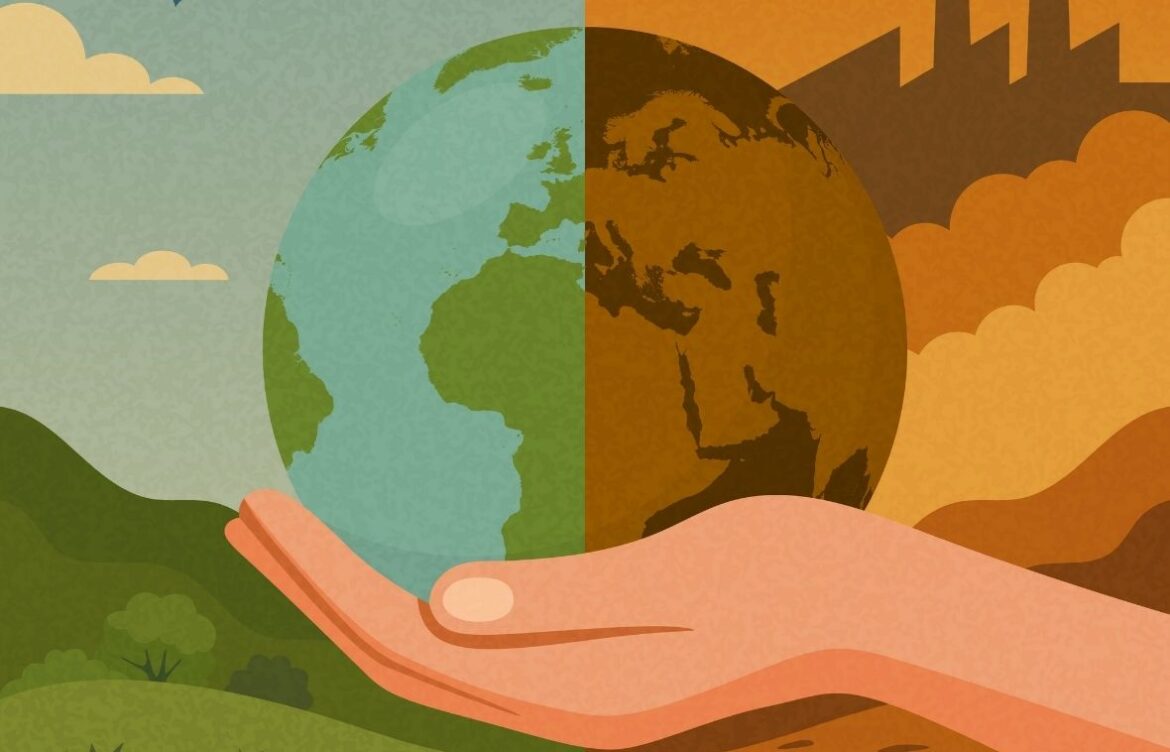
Climate Change Updates and Recent Environmental Policies
Climate change remains one of the most urgent global challenges in 2025. Rising temperatures, extreme weather events, melting ice caps, and biodiversity loss are no longer distant warnings. They are current realities affecting economies, ecosystems, and everyday life. In response, governments around the world are introducing new environmental policies aimed at mitigation, adaptation, and long-term sustainability.
This article covers key climate change updates and recent environmental policies, explaining what is happening, why it matters, and how these developments affect governments, businesses, and individuals.
Current State of Global Climate Change
Scientific data continues to confirm that climate change is accelerating.
Recent Observations
- Rising global average temperatures
- More frequent heatwaves and floods
- Increased droughts and water stress
- Rapid loss of glaciers and polar ice
These changes are affecting food security, public health, and economic stability across regions.
Extreme Weather Events Becoming More Common
One of the clearest signs of climate change is the rise in extreme weather events.
Recent Examples
- Severe heatwaves across multiple continents
- Intense storms and cyclones
- Unpredictable rainfall patterns
- Wildfires affecting large regions
Governments are now treating climate resilience as a national priority.
Global Climate Agreements and Renewed Commitments
International cooperation remains central to climate action.
Focus Areas
- Reducing greenhouse gas emissions
- Transitioning to clean energy
- Strengthening climate finance
These agreements guide national policies and encourage accountability through reporting and targets.
Shift Toward Renewable Energy Policies
Energy transition is a core part of recent environmental policies.
Key Actions
- Expanding solar and wind energy projects
- Providing incentives for clean energy adoption
- Phasing out coal-based power generation
- Investing in energy storage technologies
Renewable energy policies aim to reduce emissions while supporting long-term energy security.
Carbon Emission Reduction Strategies
Many countries are adopting stricter emission control measures.
Key Strategies
- Carbon pricing and emissions trading systems
- Tighter industrial emission standards
- Cleaner transportation policies
- Support for low-carbon technologies
These measures encourage industries to reduce their environmental footprint.
Electric Vehicles and Sustainable Transport Policies
Transportation is a major contributor to emissions.
Recent Policies Promote
- Electric vehicle adoption
- Charging infrastructure expansion
- Public transport modernization
- Fuel efficiency standards
Governments view sustainable transport as essential for reducing urban pollution and emissions.
Climate Policies Affecting Businesses
Environmental regulations are reshaping how businesses operate.
Impacts on Companies
- Mandatory sustainability reporting
- Emission disclosure requirements
- Environmental compliance standards
Green policies are also creating opportunities in renewable energy, clean technology, and sustainable products.
Climate Finance and Green Investments
Funding climate action has become a key policy focus.
Government and Institutional Measures
- Increasing climate-related funding
- Supporting green bonds and sustainable finance
- Encouraging private sector investment
Climate finance supports adaptation projects, renewable infrastructure, and climate-resilient development.
Adaptation and Climate Resilience Policies
Mitigation alone is not enough.
Key Focus Areas
- Flood and coastal protection projects
- Climate-resilient agriculture
- Urban heat management strategies
- Disaster preparedness planning
These policies aim to reduce vulnerability to climate impacts.
Biodiversity Protection and Conservation Efforts
Climate change and biodiversity loss are closely linked.
Policy Priorities
- Protection of forests and wetlands
- Wildlife conservation programs
- Restoration of degraded ecosystems
Healthy ecosystems help absorb carbon and protect communities.
Plastic Reduction and Waste Management Policies
Plastic pollution remains a major environmental concern.
Recent Policy Actions
- Restrictions on single-use plastics
- Improved recycling regulations
- Promotion of circular economy practices
Waste reduction policies support both environmental and climate goals.
Water Resource Management Policies
Climate change is increasing pressure on water resources.
Government Measures
- Water conservation regulations
- Efficient irrigation policies
- Protection of freshwater ecosystems
Sustainable water management is essential for long-term resilience.
Role of Technology in Climate Policy Implementation
Technology plays a growing role in climate action.
Applications in Policy
- Emission monitoring and reporting
- Climate data analysis
- Smart energy management
Digital tools improve policy enforcement and transparency.
Public Awareness and Climate Action Campaigns
Public engagement is critical for climate success.
Initiatives
- Climate education programs
- Community-level sustainability initiatives
- Awareness campaigns on energy and waste reduction
Behavioral change complements policy action.
Challenges in Implementing Climate Policies
Despite progress, challenges remain.
Key Obstacles
- Economic costs of transition
- Political resistance in some regions
- Unequal global responsibilities
- Limited resources in developing countries
Balancing development and sustainability remains complex.
Climate Justice and Equity Considerations
Climate policies increasingly address fairness.
Focus Areas
- Supporting vulnerable communities
- Ensuring just transition for workers
- Addressing disproportionate climate impacts
Equity is essential for long-term policy acceptance.
Regional Differences in Climate Action
Climate policies vary across regions.
Influencing Factors
- Economic capacity
- Energy dependence
- Geographic vulnerability
Global coordination remains important despite regional variation.
What These Changes Mean for Consumers
Climate policies affect daily life.
Consumer Impacts
- Higher energy efficiency standards
- Incentives for clean energy use
- Changes in transportation options
Individual choices increasingly align with sustainability goals.
Long Term Outlook for Climate Policy
Climate action is becoming more integrated into economic planning.
Future Priorities
- Stronger emission targets
- Greater international cooperation
- Increased innovation and investment
Climate policy will continue to shape global development.
Final Thoughts
Climate change updates in 2025 show both urgency and progress. While environmental challenges are intensifying, recent policies reflect stronger global commitment to sustainability, resilience, and clean energy transition.
Environmental policies are no longer limited to climate conferences. They influence business strategies, consumer behavior, and national development plans. The effectiveness of these policies will depend on consistent implementation, public participation, and global cooperation as the world works toward a more sustainable future.