
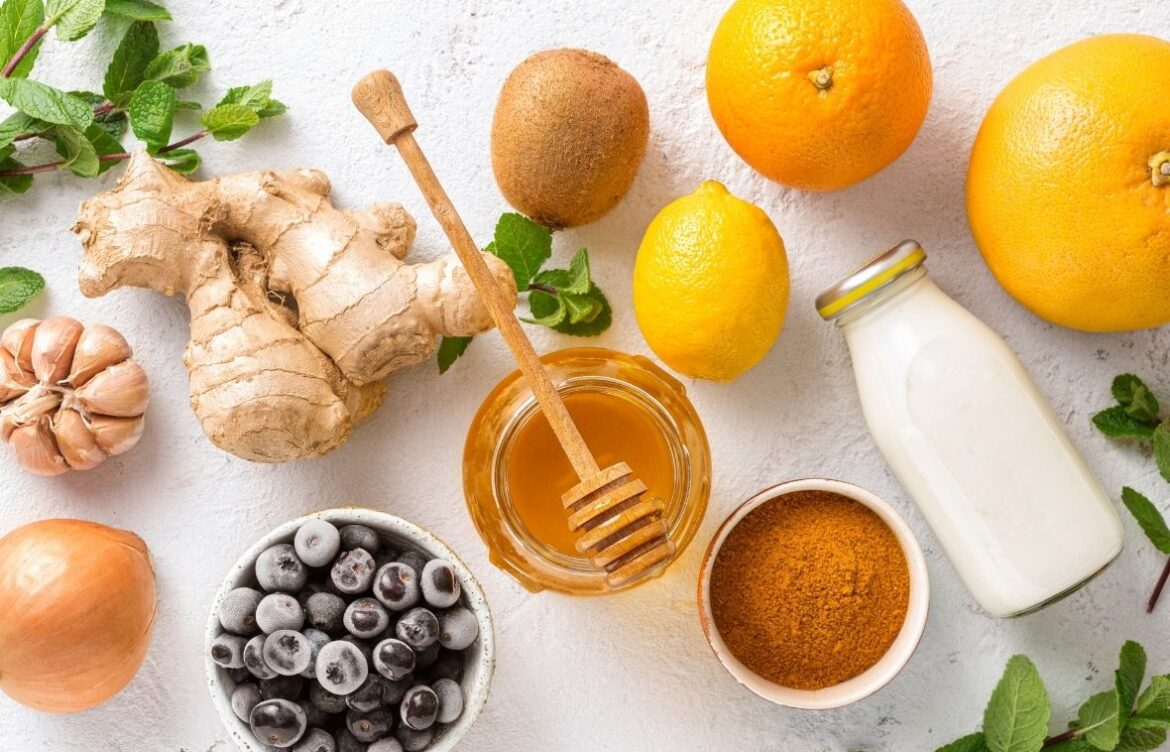
How to Improve Immunity with Everyday Foods
A strong immune system does not depend on expensive supplements or complex diets. In 2025, health experts continue to emphasize one simple truth: everyday foods play a powerful role in supporting immunity. What you eat daily influences how well your body defends itself against infections, inflammation, and long term illness.
This blog explains how to improve immunity with everyday foods, using a practical and habit based structure that fits normal home cooked meals and realistic lifestyles.
Understanding Immunity and Daily Nutrition
Immunity is the body’s natural defense system. It works continuously, not only when you fall sick.
Your immune strength depends on:
- Nutrient intake
- Gut health
- Consistent eating patterns
- Overall lifestyle balance
Daily food choices either strengthen or weaken this system over time.
Why Everyday Foods Matter More Than Supplements
Supplements may help in specific deficiencies, but they cannot replace real food.
Everyday foods provide:
- Better nutrient absorption
- Natural combinations of vitamins and minerals
- Long term immune support
Regular meals matter more than occasional immune boosting products.
Fruits That Naturally Support Immunity
Fruits provide vitamins, antioxidants, and hydration.
Best everyday fruits for immunity:
- Citrus fruits for vitamin C
- Amla for antioxidant support
- Apples for fiber and gut health
- Papaya for digestion
Whole fruits are more effective than fruit juices.
Vegetables That Strengthen Immune Defense
Vegetables supply essential micronutrients and fiber.
Immunity supporting vegetables include:
- Spinach and leafy greens
- Carrots and pumpkin
- Broccoli and cabbage
- Bell peppers
Lightly cooked vegetables preserve nutrients and improve digestion.
Protein Foods That Support Immune Cells
Proteins help build immune cells and antibodies.
Good everyday protein sources:
- Lentils and dals
- Eggs
- Paneer and curd
- Nuts and seeds
Balanced protein intake supports faster recovery and resilience.
Foods That Improve Gut Health and Immunity
A large part of immunity is linked to the gut.
Gut friendly foods include:
- Curd and yogurt
- Buttermilk
- Fermented foods
- Fiber rich whole foods
A healthy gut improves immune response naturally.
Whole Grains That Support Immune Balance
Whole grains provide sustained energy and nutrients.
Good options include:
- Oats
- Brown rice
- Millets
- Whole wheat
Replacing refined grains improves digestion and immunity.
Healthy Fats That Reduce Inflammation
Healthy fats help regulate immune response.
Everyday sources include:
- Nuts and seeds
- Ghee in moderation
- Cold pressed oils
- Avocado
Balanced fats support vitamin absorption.
Spices and Herbs That Support Immunity
Traditional kitchen spices offer immune benefits.
Common immunity supporting spices:
- Turmeric
- Ginger
- Garlic
- Black pepper
Using these regularly adds flavor and health benefits.
Hydration and Immunity Connection
Water plays a key role in immune function.
Proper hydration:
- Helps flush toxins
- Supports circulation
- Maintains healthy mucous membranes
Warm water and fluids are gentle on digestion.
Foods That Help Reduce Inflammation
Chronic inflammation weakens immunity.
Anti-inflammatory foods include:
- Leafy greens
- Berries
- Nuts
- Turmeric based dishes
Reducing inflammation supports immune balance.
Everyday Breakfast Choices for Better Immunity
Breakfast sets the tone for immune support.
Immunity friendly breakfast ideas:
- Oats with fruits
- Vegetable omelette
- Curd with fruits
- Idli or dosa with light sambar
Balanced breakfasts support stable energy and immunity.
Lunch and Dinner Habits That Support Immunity
Main meals should focus on balance.
Healthy meal structure includes:
- Vegetables
- Protein
- Whole grains
- Healthy fats
Avoid very heavy or overly processed meals.
Snacks That Strengthen Immunity
Smart snacks improve nutrition.
Immunity friendly snack choices:
- Fruits
- Roasted nuts
- Sprouts
- Homemade snacks
These reduce reliance on processed foods.
Foods to Limit for Stronger Immunity
Some foods weaken immune response when consumed often.
Limit intake of:
- Excess sugar
- Highly processed foods
- Deep fried items
- Sugary beverages
Reducing these supports immune strength.
Importance of Regular Meal Timing
Eating at consistent times supports digestion and immunity.
Regular meal timing:
- Improves nutrient absorption
- Reduces stress on the gut
- Supports immune rhythm
Irregular eating can weaken immune balance.
Cooking Methods That Preserve Nutrients
How food is prepared matters.
Better cooking methods include:
- Steaming
- Boiling
- Light sautéing
Avoid overcooking to retain nutrients.
Portion Control and Immune Health
Overeating strains digestion.
Better habits include:
- Moderate portion sizes
- Eating slowly
- Stopping when comfortably full
Balanced intake supports immunity.
Traditional Indian Foods That Support Immunity
Many traditional foods naturally strengthen immunity.
Examples include:
- Dal and rice combinations
- Vegetable khichdi
- Homemade curd based dishes
Traditional diets often support immune health.
Consistency over Occasional Effort
Immunity builds gradually.
Strong immunity comes from:
- Daily healthy eating
- Consistent habits
- Long term balance
Occasional immune foods are not enough.
Supporting Immunity beyond Food
Food works best alongside healthy habits.
Immunity improves with:
- Adequate sleep
- Stress management
- Regular physical activity
Lifestyle and nutrition work together.
Signs Your Immunity Is Improving
Positive indicators include:
- Fewer frequent illnesses
- Faster recovery
- Better energy levels
- Improved digestion
Progress is gradual and steady.
Final Thoughts
Improving immunity with everyday foods is simple, practical, and sustainable. Fruits, vegetables, whole grains, proteins, healthy fats, and traditional spices work together to support the body’s natural defense system.
In 2025, strong immunity is not about extreme diets or supplements. It is about consistent, balanced eating habits built around everyday foods. Small daily choices create lasting immune strength and overall well being.